Akara Resources Public Company Limited remains committed to conducting its business with social responsibility while continuously working to reduce environmental and climate change impacts. The Company continues to participate in the Ministry of Industry’s Green Industry project, which aims to promote industrial development alongside environmental stewardship, social responsibility, and efficient resource utilization to support sustainable production and consumption.
Since receiving the Green Industry Certification Level 1: Green Commitment, the Company has continuously enhanced its operations in quality management, environmental management, and occupational health and safety, achieving certification in three internationally recognized standards: ISO 9001:2015 Quality Management System, ISO 14001:2015 Environmental Management System, and ISO 45001:2018 Occupational Health and Safety Management System.
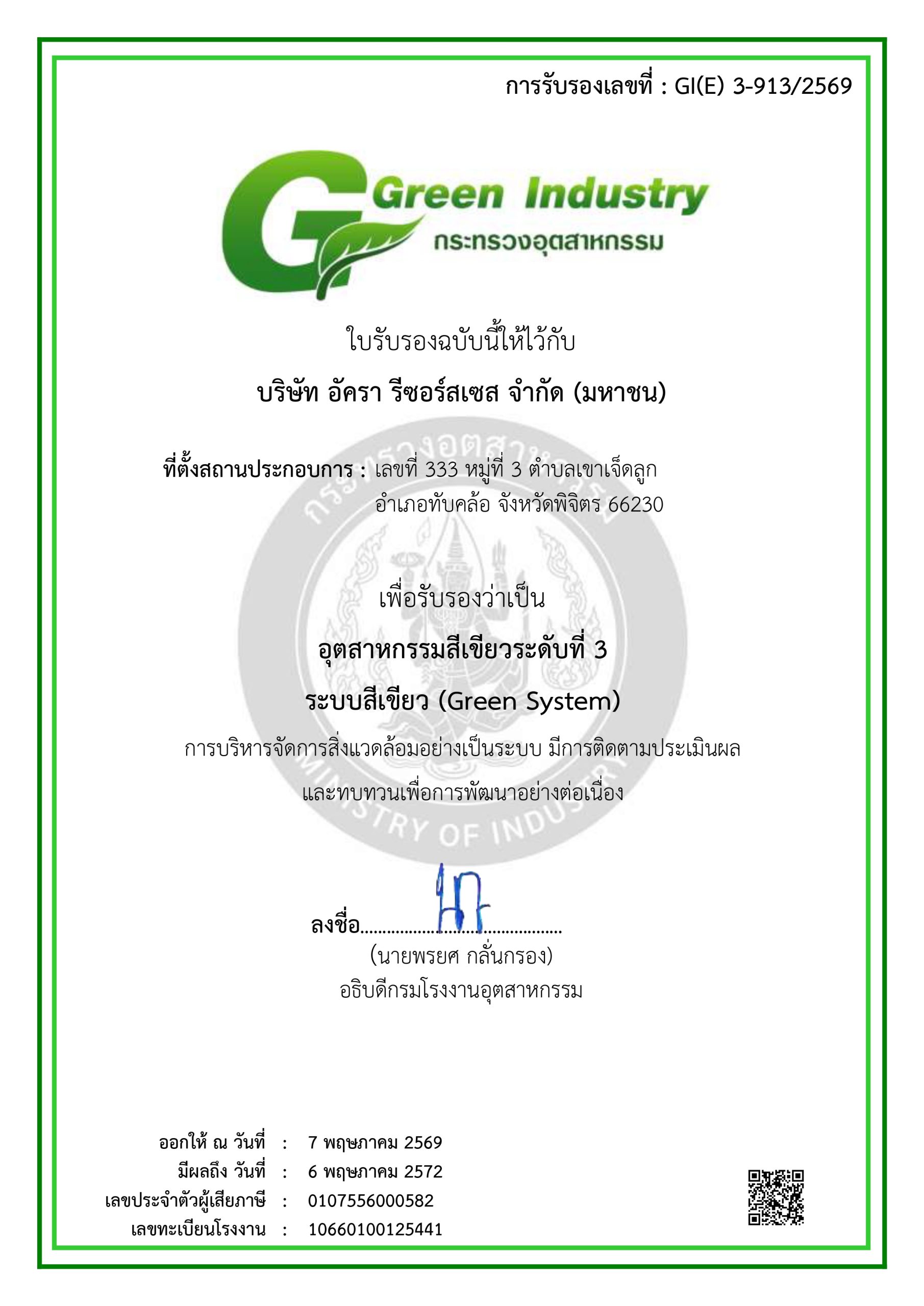
Most recently, on 7 May 2026, the Company was awarded the Green Industry Certification Level 3: Green System by the Ministry of Industry. This certification reflects Akara’s systematic environmental management approach, including continuous monitoring, evaluation, and improvement, ensuring that the Company’s operations can grow sustainably alongside the environment, surrounding communities, and society.
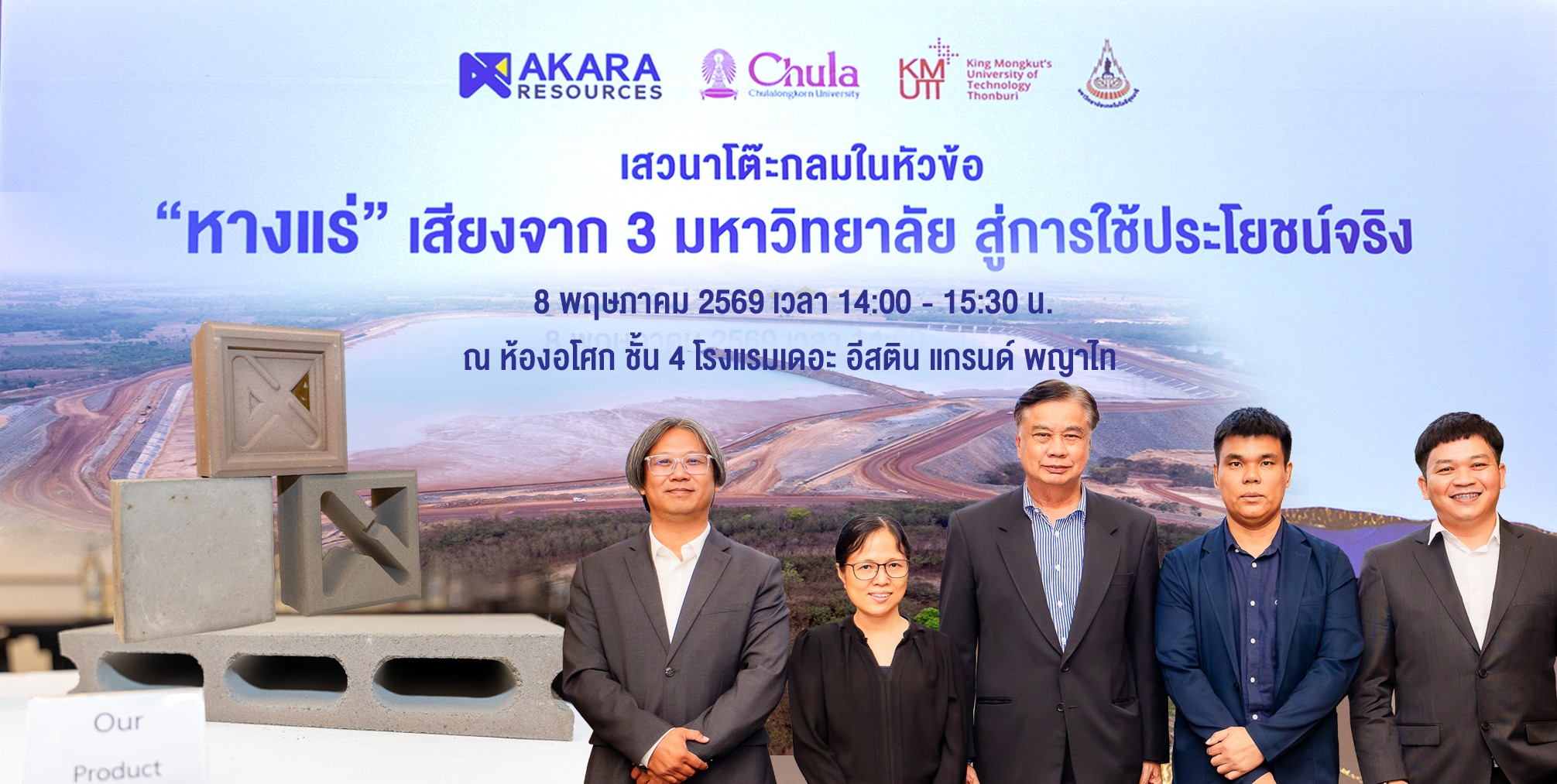
Akara Resources Public Company Limited, operator of the Chatree Gold Mine, has partnered with three leading academic institutions—Chulalongkorn University, King Mongkut’s University of Technology Thonburi (KMUTT), and Suranaree University of Technology (SUT)—hosted a roundtable discussion titled “Tailings: Voices from Three Universities to Real-World Applications” on 8 May 2026.
The event also unveiled progress on three prototype research projects aimed at transforming “tailings” from gold and silver production into “alternative resources.” The initiative focuses on repurposing residual materials from the production process into upstream raw materials, reducing the consumption of new natural resources and creating tangible value across the construction, energy, and community enterprise sectors, in direct support of the Circular Economy.
Bridging Research and Real-World Application
This collaboration reflects Akara’s ongoing strategy of supporting academic research through practical access to its mining operations. Researchers are able to collect and study tailings samples to better understand their properties and develop innovations that can be applied in construction, energy and community-level applications. Beyond unlocking new value, the initiative also reinforces Akara’s commitment to systematic safety standards, in accordance with Environmental Health Impact Assessment (EHIA) framework.
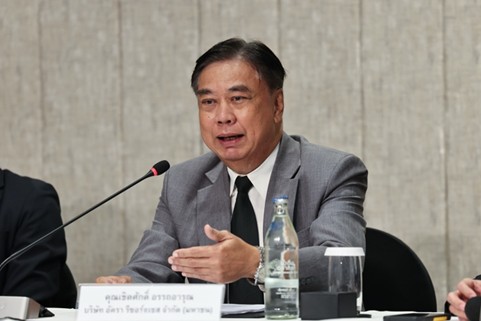
Mr. Cherdsak Utha-aroon, General Manager of Sustainability at Akara Resources Public Company Limited, said: “Our goal is to ensure that existing resources are used to their fullest potential. Through our collaboration with the three universities, materials that were once overlooked, like tailings, are now being studied and developed into viable alternatives for both the construction and energy sectors. We also aim to see these innovations applied at the community level to create jobs, generate income, and expand economic opportunities, ultimately reducing inequality and improving quality of life in a sustainable way.”
Three Innovation Models: Turning Tailings into New Industrial Opportunities
KMUTT: Led by Asst. Prof.Dr. Thidarat Bunsri, Leader of Biosmart Materials and Technology Research Group at the Faculty of Science, began by validating the safety of tailings storage facilities. The findings confirmed structural stability and no risk of leakage, consistent with EHIA standards. Building on this, the team developed “bio-cement,” combining tailings with industrial by-products such as eggshells and microorganisms derived from fish sauce waste. The result is a low-energy material that does not require high-temperature processing and offers enhanced salt resistance and self-healing properties. This patented innovation is already being applied in the form of saltwater barrier panels to support farmers in northeastern Thailand and is being further developed into irrigation drainage systems, with planned pilot applications in collaboration with the Royal Irrigation Department in Uttaradit and at the Chatree Gold Mine.
Chulalongkorn University: Dr. Peet Homchuen from the Department of Mining and Petroleum Engineering, Faculty of Engineering, found that tailings processed during gold production already possess fine particle characteristics suitable for use as construction inputs. The research team developed low-carbon construction materials, including concrete blocks and ventilation bricks, with tailings comprising approximately 25–75% of the mix. These materials not only demonstrate strength and durability but also benefit from the ready-to-use particle characteristics of the tailings, eliminating the need for additional processing. This significantly reduces both production costs and energy consumption, supporting greenhouse gas reduction and net-zero targets. The project is currently being scaled up from laboratory research to a pilot-scale production, with plans to transfer knowledge to communities to support income generation and long-term self-reliance.
Suranaree University of Technology: Asst. Prof. Dr. Boonnarong Arsairai from Geotechnology at the Institute of Engineering, is exploring the use of tailings as an additive in specialized cement for petroleum exploration and production. Such application requires materials that can withstand high pressure and prevent leakage over extended periods. The research found that adding just 3% tailings significantly enhances strength, reduces porosity, and improves the long-term durability and lifespan of the cement. The findings highlight the potential of tailings to serve in high-performance industrial applications that demand internationally recognized safety standards. The project is currently being evaluated for commercial application.
Advancing New Opportunities Through Tailings Innovation
The combined research efforts from all three institutions demonstrate the potential of tailings to become alternative resources for the future, capable of delivering tangible value and supporting practical industrial applications.
Mr. Phuriwit Sangsiri, Head of Science and Health at Akara Resources Public Company Limited, said: “Research insights from these studies allow us to better understand the technical requirements and optimal proportions for utilizing tailings effectively. This is a critical step in ensuring that these materials can be developed into new innovations that meet high safety standards and deliver real benefits at both industrial and community levels.”
Akara will continue to collaborate closely with all three universities to advance these innovations from prototype to commercial application. At the same time, the Company is working with relevant government agencies to support certification and broader industry adoption, and to transfer knowledge to local communities. These pilot projects serve as important case studies, demonstrating how existing resources, when developed using scientific evidence, can be transformed into practical, scalable solutions that contribute to sustainable value across economic, social, and environmental dimensions.
When discussions turn to industrial impact on society and the environment, mining is among the most scrutinized sectors. At the heart of this scrutiny is a fundamental concern: the long-term health of nearby communities. These concerns reflect a growing demand for explanations that are concrete, evidence-based, and verifiable rather than broad assurances that operations are simply “safe.”
This crisis of confidence suggests that policy-based communication may no longer be enough to build lasting trust. Today’s mining operators must take a different approach: one that relies on thoughtfully designed health management systems that are comprehensive, transparent, and systematic. Such systems allow all stakeholders to monitor outcomes, verify findings, and engage in informed dialogue around community health using a shared set of facts.
A Data-First Approach
One approach gaining traction across the mining industry is the use of data as a central tool for community and social engagement.
Building a community health data system that is comprehensive, transparent, and participatory begins with addressing four fundamental questions:
Is relevant community health data already being collected?
If so, how credible and robust is that data?
Can the quality of the data and its collection processes be strengthened through collaboration?
And critically, how will the data be used to deliver value beyond routine reporting?
For mining operations or large industrial projects seeking to elevate community health management, these considerations can be further developed into three critical dimensions:
1) Designing comprehensive, continuous health data collection
Health data collection should not exist solely to meet reporting requirements. It should be designed to cover all age groups, be conducted regularly, and genuinely align with local needs.
2) Establishing data credibility
Health data should never rest solely in the hands of a single party. Independent institutions should be involved throughout the process, from data collection and analysis to reporting. This shared ownership ensures credibility across all stakeholders, including communities, public authorities, and mining operators.
3) Putting data into action
The most critical dimension is how data is used. Information should not remain confined to reports or dashboards; it must actively inform decision-making, guide planning, and support ongoing health management, ultimately becoming the lifeblood of the local public health system.
Case study: Chatree Gold Mine’s Community Health Surveillance System
A practical example of these principles in action can be found in Thailand at the Chatree Gold Mine, operated by Akara Resources. From its inception, the mine’s community health surveillance system was designed to involve external stakeholders.
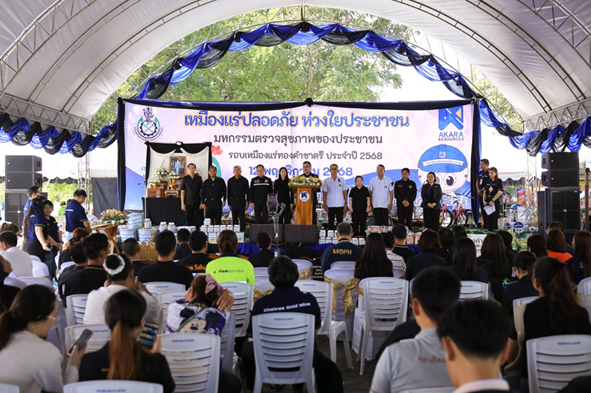
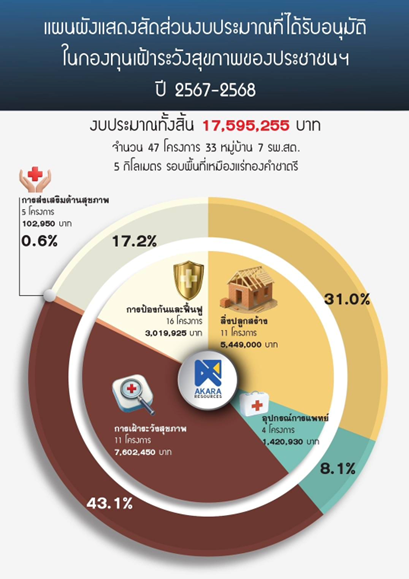
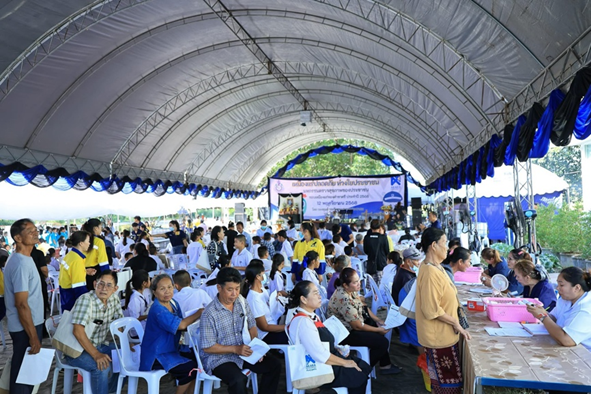
Each year, Akara conducts health screenings for residents living within a five-kilometer radius of the mine, in line with measures set out in the Environmental and Health Impact Assessment (EHIA). The program is carried out in close coordination with local Subdistrict Health Promotion Hospitals—such as Dan Chang and Dong Long in Phetchabun Province—as well as village health volunteers. Together, they support the appropriate identification of participants in accordance with Ministry of Public Health guidelines, while respecting the rights of individuals who prefer not to disclose their identities. Village health volunteers also play a key role in administering wellbeing questionnaires, ensuring that pre-screening data accurately reflects local health conditions.
The most recent round of screenings in 2025 involved more than 600 participants across all age groups, from young children to the elderly, including individuals living with chronic non-communicable diseases. The screenings covered 9 key health indicators, including liver and kidney function, complete blood counts, chest X-rays, and pulmonary function tests. It also included biomarker testing linked specifically to mining activity, namely manganese and cyanide levels in blood, and arsenic levels in urine. When such biomarkers are detected, samples are sent to Ramathibodi Hospital for further analysis at its accredited biochemical testing laboratory.
Once results are fully processed, physicians from local hospitals review the findings and provide guidance directly to community members. Individuals who wish to consult medical specialists may do so using their existing healthcare entitlements.
Notably, consolidated health reports are also shared with relevant authorities at the provincial, district, and subdistrict levels. This allows the data to support broader health monitoring and follow-up initiatives beyond the screening program itself.
As a result, health data does not remain in the hands of the company alone. Instead, it serves as a foundation for coordinated action to strengthen the local community health system.
From Structured Data to Leadership in Developing Community Health Infrastructure
Another key factor that distinguishes the Chatree Gold Mine’s health surveillance system from conventional health screenings is how the data is linked to mechanisms that communities can actively use. Central to this is the Health Surveillance Fund, to which the company contributes an amount equivalent to 3% of mining royalties. The fund currently holds approximately 74 million baht and is managed by community representatives.
With decision-making authority in the hands of the community, major health initiatives, including the annual health screenings—are guided by local priorities. This completes a critical piece of the puzzle in building a sustainable public health ecosystem—one that brings together communities, public authorities, and mining operators to jointly steward local health. Ultimately, trust between the mining industry and surrounding communities cannot be built through words or communication alone. It must be deliberately constructed through systems that are transparently designed and open to genuine participation by all stakeholders.
Leadership in the modern mining industry is not defined solely by financial performance. It is defined by the ability to build foundational systems that support long-term community health around mining operations. When health data becomes a tangible lifeline that supports community wellbeing, mining earns recognition not merely as an operator, but as an organization that is genuinely part of the community.
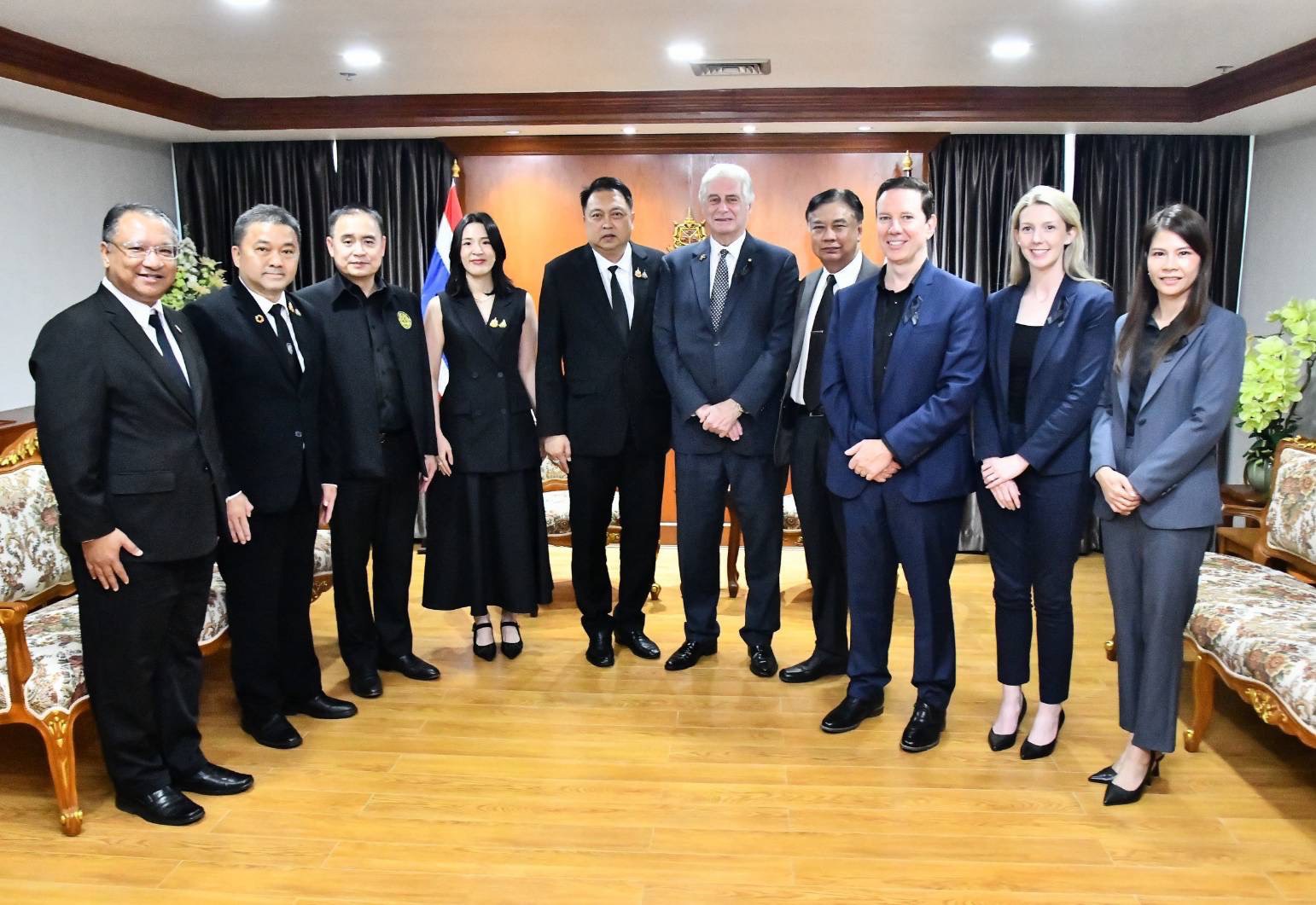
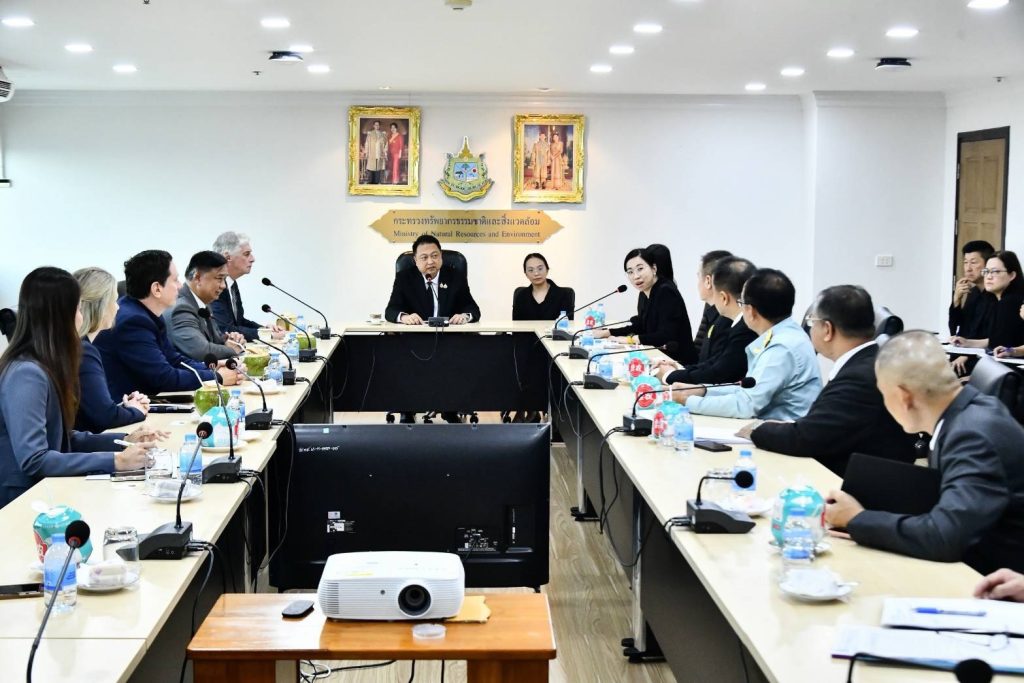
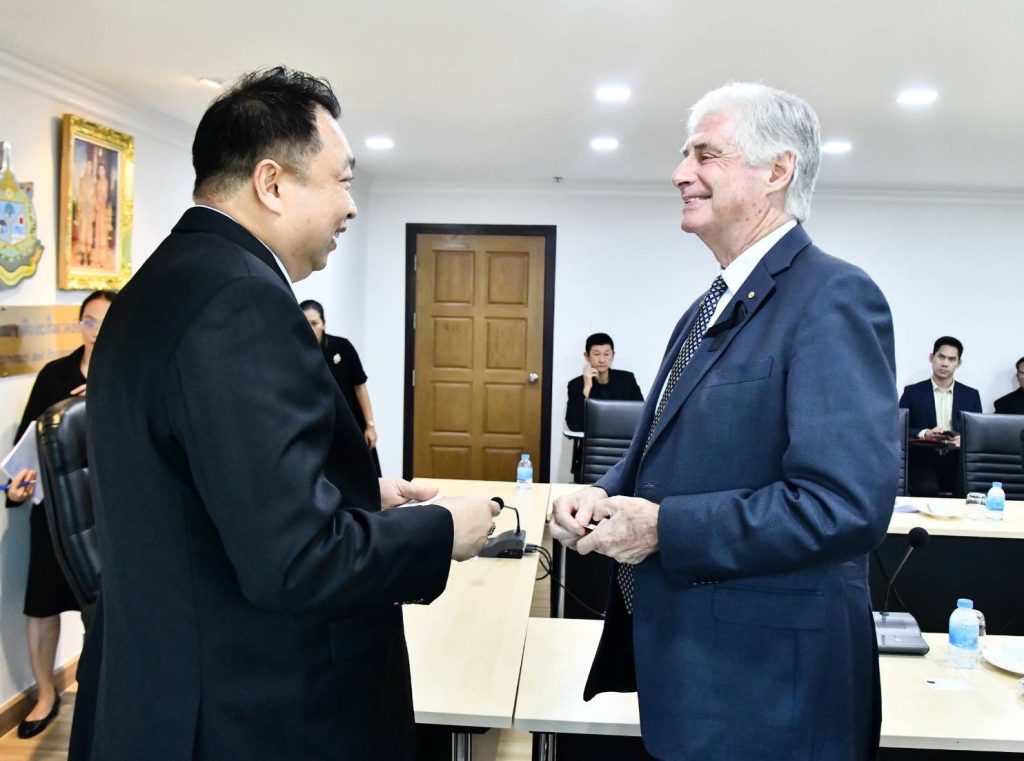
On 3 December 2025, management of Kingsgate, led by Mr. Ross Smyth-Kirk OAM, Executive Chairman and Managing Director and Mr. Jamie Gibson, Chief Executive Officer, together with Mr. Cherdsak Utha-aroon, General Manager of Sustainability at Akara, met with Mr. Suchart Chomklin, Deputy Prime Minister and Minister of Natural Resources and Environment. The meeting focused on acknowledging the resolution of the TAFTA matter and discussing opportunities for ongoing collaboration to support responsible mining practices aligned with international standards. The Company reaffirmed its commitment to support Thailand to become a regional hub for gold and silver trading, leveraging the country’s strong resource potential and well-established downstream industries. Kingsgate remains confident that the Chatree Gold Mine will continue to play a key role in driving Thailand’s economy through job creation, income generation, and improving the quality of life in surrounding communities.
Since the Chatree Gold Mine resumed operations in March 2023, Kingsgate has made substantial investments in Thailand, including refurbishment of the site and recruitment of personnel. The Company has paid more than THB 2 billion in royalties and contributed over THB 450 million to funds established under Thailand’s mineral resource management policy and strategic framework. The mine’s operations are expected to inject more than billions of Baht annually into the Thai economy through support for local businesses and employment—both directly and through local contractors. The Company also places great importance on community engagement, maintaining ongoing dialogue with local communities to share information and collect feedback.
Cherdsak reaffirmed that the Company operates in full compliance with all relevant laws, regulations, and requirements, and recognizes principles of good governance. All activities at the Chatree Gold Mine prioritise safety, health, and environmental stewardship in accordance with international standards. The Company also provides ongoing health check-ups for local residents to build confidence that mining activities do not pose health risks to nearby communities—an assurance supported by the long-term good health of many employees who have worked at the mine for 10–20 years.
“Approximately 85% of our employees are local residents. If the mine were truly unsafe, no one would risk their own wellbeing, or that of their families for employment here. The trust that our employees and neighboring communities place in us is a powerful testament to our commitment. In addition, contributions paid to the Village Development Fund have played a crucial role in improving community wellbeing. Most recently, a local subdistrict administrative organization used the fund to install solar-powered streetlights, greatly enhancing convenience and safety for local residents,” said Cherdsak.
The Company would like to take this opportunity to sincerely thank the Government, community leaders, and residents around the mine for their trust and support, which remain integral to achieve the long-term prosperity for all.