The Court on 24 March 2026 rendered its judgment ordering the Company to pay monetary compensation to the plaintiffs and to undertake remediation under the supervision of a relevant committee.
The Company advises that, upon review of its evidence, there are significant inconsistencies between the evidence presented and the findings of the judgment. It is therefore necessary for the Company to proceed with an appeal to ensure that all evidence, including expert testimony and supporting witness evidence, is fully considered. The Company firmly believes that its evidence is clearly supported by scientific data and is sufficiently credible. However, these key pieces of evidence may not have been fully examined. For these reasons, the Company cannot agree with the judgment and would like to take this opportunity to provide the following additional clarification.
This case has undergone judicial proceedings and fact-finding for nearly a decade since 2016, and is based on allegations referencing information from the period 2011–2016. Throughout this time, the Company has made every effort to present the facts to the Court, supported by extensive evidence, including witness testimony, documentary evidence, and comprehensive academic input from numerous experts.
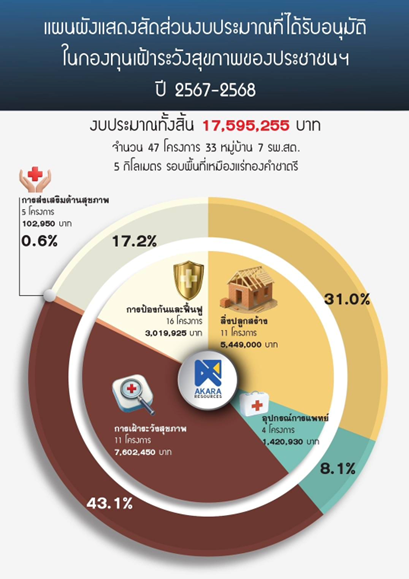
The Company hereby affirms that, for more than 25 years of operations, it has strictly complied with all applicable laws, regulations, and measures prescribed by relevant government authorities. This includes full compliance with the Environmental Impact Assessment (EIA) and Environmental and Health Impact Assessment (EHIA) requirements. Such compliance covers all aspects of operations, from the design and management of tailings storage facilities in accordance with international standards, to the control and treatment of chemicals used in production processes, as well as the continuous monitoring of environmental quality in soil, water, and air. These practices are supported by clear scientific data and are regularly reviewed by relevant government authorities and institutions. The Company’s Chatree Gold Mine is regarded as one of the most closely monitored and regulated mining operations. In addition, the Company has worked closely with local public health authorities to establish a health surveillance system for communities surrounding the mine. Annual health screenings are conducted for residents within a 5-kilometer radius, and the data is shared with relevant public health authorities at various levels to support ongoing monitoring and care, thereby reinforcing confidence in community health. To date, no evidence has indicated any adverse health impacts attributable to the Company’s operations.
In addition to its technical operations, the Company places strong emphasis on stakeholder engagement and actively incorporates community feedback to enhance its operations and build mutual understanding and trust.
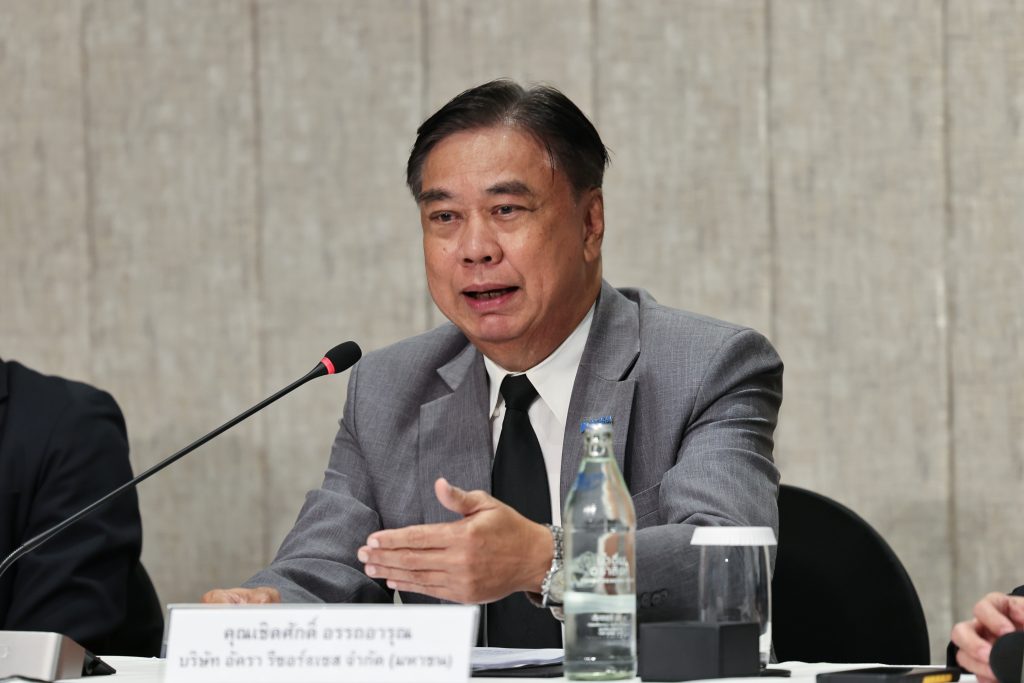
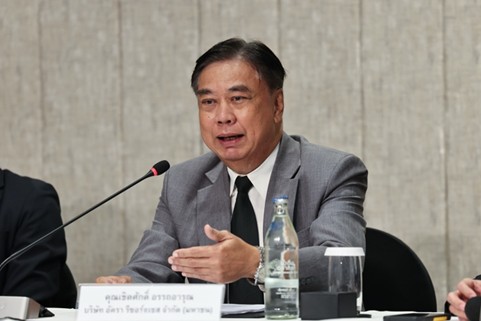
Mr. Cherdsak Utha-aroon, General Manager – Sustainability of the Company, stated “If the mine were truly causing impacts, our employees would be the first to be affected. These employees have families and loved ones living in the area, and if we were careless or took actions that put their families at risk, they certainly would not accept it. On the contrary, our employees are dedicated to ensuring that the mine’s operations serve as a fundamental support for both their families and the local economy, without causing harm to their own households. Our employees therefore act as an important mechanism in monitoring and overseeing operations at every stage.
Over the years, the Company has consistently received feedback through various channels, such as ‘I want to work at the mine,’ ‘I want to work close to home,’ and ‘I want the mine to continue operating.’ This legal battle, therefore, is not just about business performance, but also about securing the future of tens of thousands of people who place their trust in the Company.”
This judgment represents only an initial stage of the legal process and is not final. The Company is carefully reviewing the details and reasoning of the judgment on each issue in consultation with its legal advisors, in preparation for filing an appeal. Meanwhile, the Company’s operations continue as normal, and it remains committed to maintaining and continuously enhancing its environmental standards and community engagement, in order to uphold the confidence of all stakeholders.
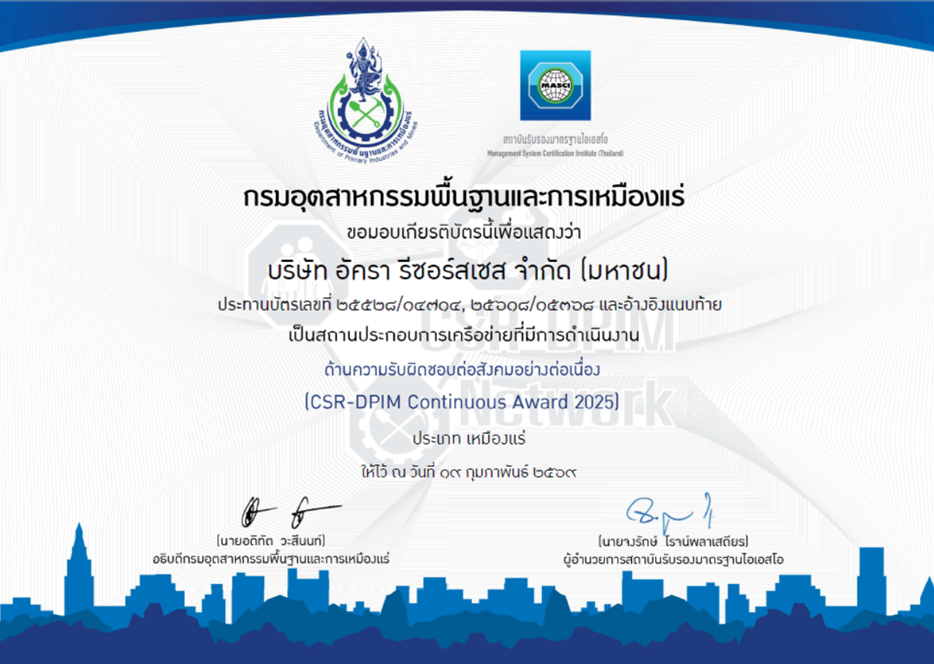
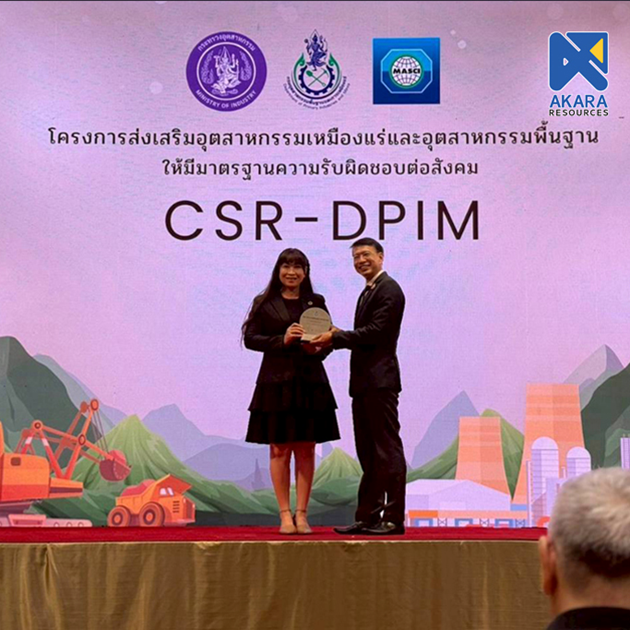
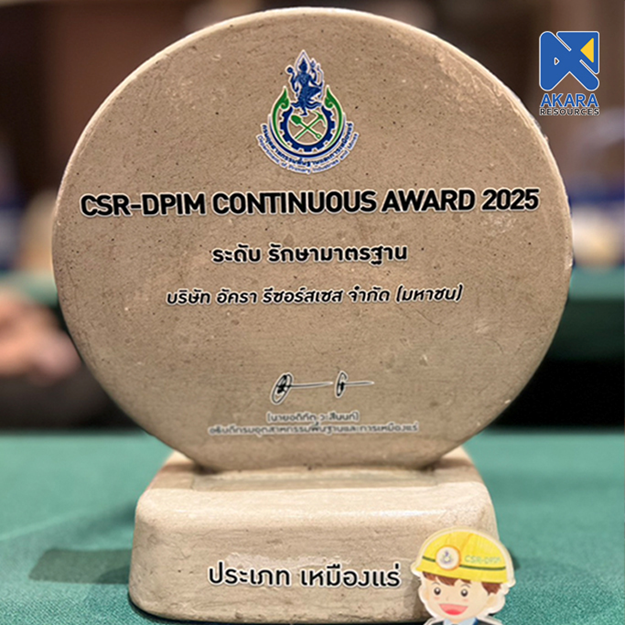
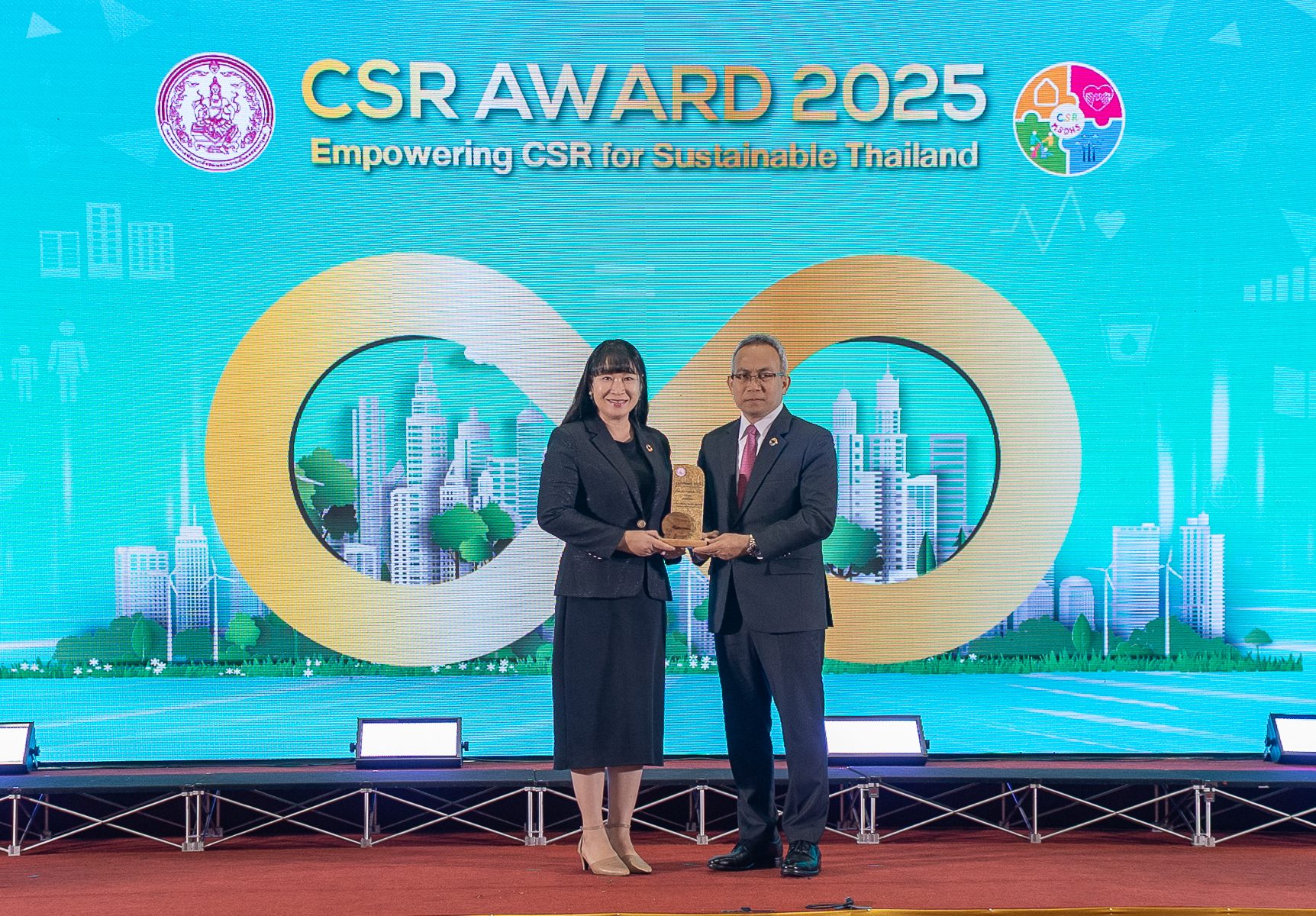
This award reflects Akara’s strong commitment to conducting its mining business in a responsible, transparent, and sustainable manner. The company successfully underwent a rigorous assessment and verification process under the CSR-DPIM framework, which evaluates performance across environmental management, occupational health and safety, and ongoing social responsibility. This achievement aligns with the Department’s policy to elevate Thailand’s mining industry to internationally recognised standards.
A distinctive feature of this year’s award was the commemorative plaque, which was crafted from stone dust, an industrial by-product from quarrying operations. Through a collaborative process involving local youth and community members, the material was transformed into a meaningful and aesthetically refined piece. The initiative serves as a clear example of how “waste materials” can be reimagined and enhanced into “social value” that is widely recognised and appreciated.
Ms. Yuwathida commented, “We sincerely thank all stakeholders for their continued trust and cooperation with Akara. The CSR-DPIM Continuous Award 2025 is not merely a symbol of recognition, but a commitment for Akara to continue advancing Thailand’s mining industry alongside strong social responsibility, fostering sustainable growth and coexistence for the future.”
These concerns reflect a growing demand for explanations that are concrete, evidence-based, and verifiable rather than broad assurances that operations are simply “safe.”
This crisis of confidence suggests that policy-based communication may no longer be enough to build lasting trust. Today’s mining operators must take a different approach: one that relies on thoughtfully designed health management systems that are comprehensive, transparent, and systematic. Such systems allow all stakeholders to monitor outcomes, verify findings, and engage in informed dialogue around community health using a shared set of facts.
A Data-First Approach
One approach gaining traction across the mining industry is the use of data as a central tool for community and social engagement.
Building a community health data system that is comprehensive, transparent, and participatory begins with addressing four fundamental questions:
Is relevant community health data already being collected?
If so, how credible and robust is that data?
Can the quality of the data and its collection processes be strengthened through collaboration?
And critically, how will the data be used to deliver value beyond routine reporting?
For mining operations or large industrial projects seeking to elevate community health management, these considerations can be further developed into three critical dimensions:
1) Designing comprehensive, continuous health data collection
Health data collection should not exist solely to meet reporting requirements. It should be designed to cover all age groups, be conducted regularly, and genuinely align with local needs.
2) Establishing data credibility
Health data should never rest solely in the hands of a single party. Independent institutions should be involved throughout the process, from data collection and analysis to reporting. This shared ownership ensures credibility across all stakeholders, including communities, public authorities, and mining operators.
3) Putting data into action
The most critical dimension is how data is used. Information should not remain confined to reports or dashboards; it must actively inform decision-making, guide planning, and support ongoing health management, ultimately becoming the lifeblood of the local public health system.
Case study: Chatree Gold Mine’s Community Health Surveillance System
A practical example of these principles in action can be found in Thailand at the Chatree Gold Mine, operated by Akara Resources. From its inception, the mine’s community health surveillance system was designed to involve external stakeholders.
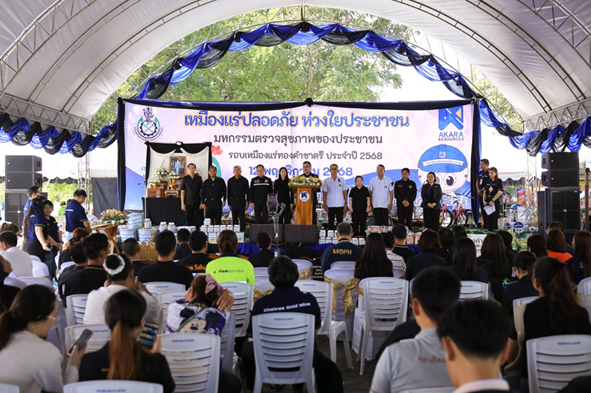
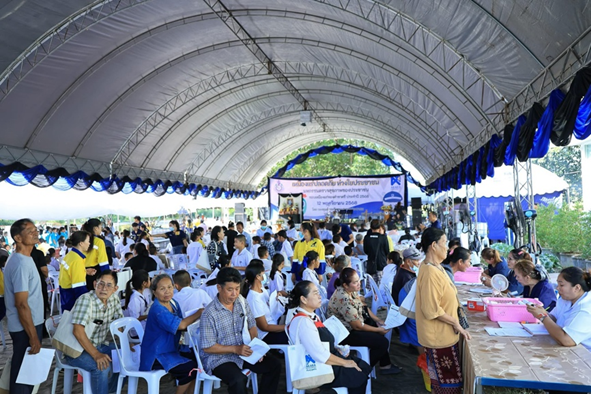
Each year, Akara conducts health screenings for residents living within a five-kilometer radius of the mine, in line with measures set out in the Environmental and Health Impact Assessment (EHIA). The program is carried out in close coordination with local Subdistrict Health Promotion Hospitals—such as Dan Chang and Dong Long in Phetchabun Province—as well as village health volunteers. Together, they support the appropriate identification of participants in accordance with Ministry of Public Health guidelines, while respecting the rights of individuals who prefer not to disclose their identities. Village health volunteers also play a key role in administering wellbeing questionnaires, ensuring that pre-screening data accurately reflects local health conditions.
The most recent round of screenings in 2025 involved more than 600 participants across all age groups, from young children to the elderly, including individuals living with chronic non-communicable diseases. The screenings covered 9 key health indicators, including liver and kidney function, complete blood counts, chest X-rays, and pulmonary function tests. It also included biomarker testing linked specifically to mining activity, namely manganese and cyanide levels in blood, and arsenic levels in urine. When such biomarkers are detected, samples are sent to Ramathibodi Hospital for further analysis at its accredited biochemical testing laboratory.
Once results are fully processed, physicians from local hospitals review the findings and provide guidance directly to community members. Individuals who wish to consult medical specialists may do so using their existing healthcare entitlements.
Notably, consolidated health reports are also shared with relevant authorities at the provincial, district, and subdistrict levels. This allows the data to support broader health monitoring and follow-up initiatives beyond the screening program itself.
As a result, health data does not remain in the hands of the company alone. Instead, it serves as a foundation for coordinated action to strengthen the local community health system.
From Structured Data to Leadership in Developing Community Health Infrastructure
Another key factor that distinguishes the Chatree Gold Mine’s health surveillance system from conventional health screenings is how the data is linked to mechanisms that communities can actively use. Central to this is the Health Surveillance Fund, to which the company contributes an amount equivalent to 3% of mining royalties. The fund currently holds approximately 74 million baht and is managed by community representatives.
With decision-making authority in the hands of the community, major health initiatives, including the annual health screenings—are guided by local priorities. This completes a critical piece of the puzzle in building a sustainable public health ecosystem—one that brings together communities, public authorities, and mining operators to jointly steward local health. Ultimately, trust between the mining industry and surrounding communities cannot be built through words or communication alone. It must be deliberately constructed through systems that are transparently designed and open to genuine participation by all stakeholders.
Leadership in the modern mining industry is not defined solely by financial performance. It is defined by the ability to build foundational systems that support long-term community health around mining operations. When health data becomes a tangible lifeline that supports community wellbeing, mining earns recognition not merely as an operator, but as an organization that is genuinely part of the community.
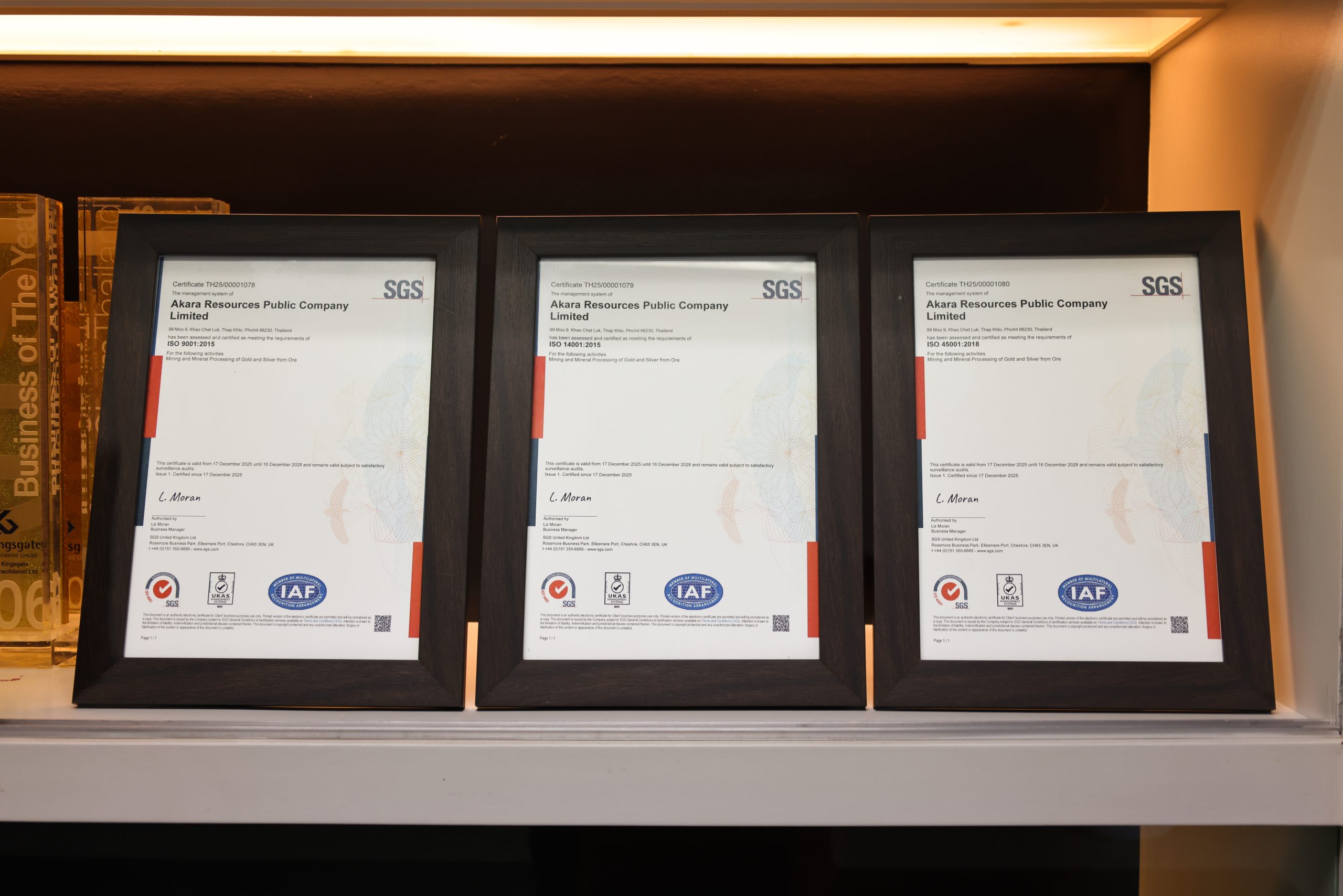
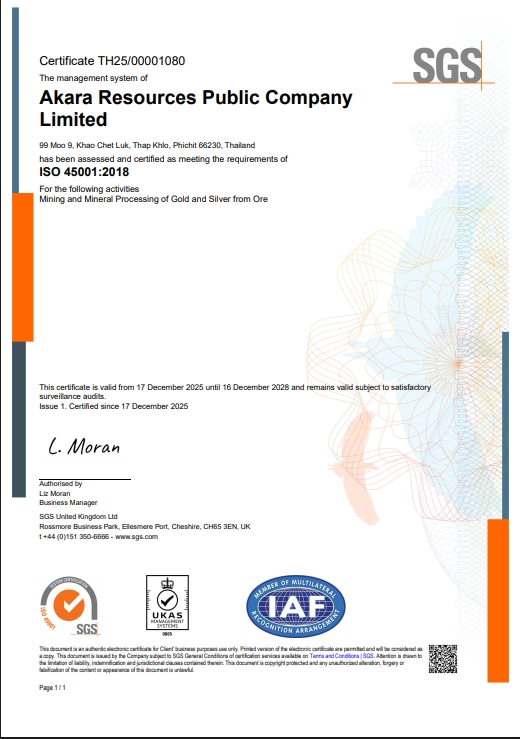
ISO 45001:2018 – Occupational Health and Safety Management System
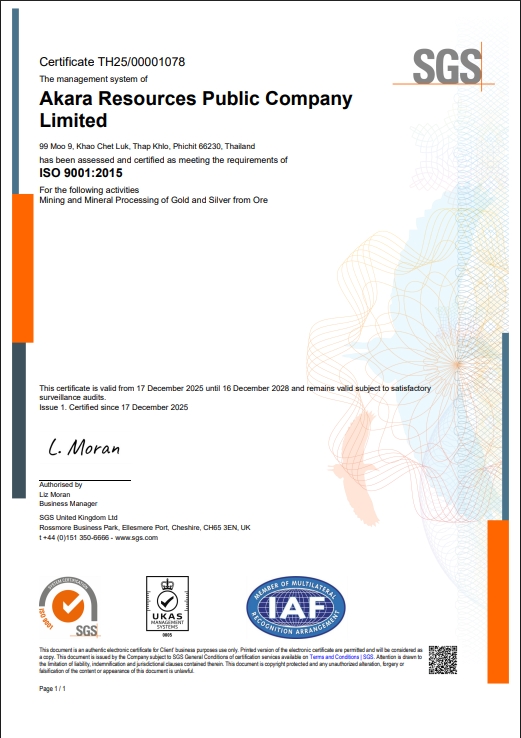
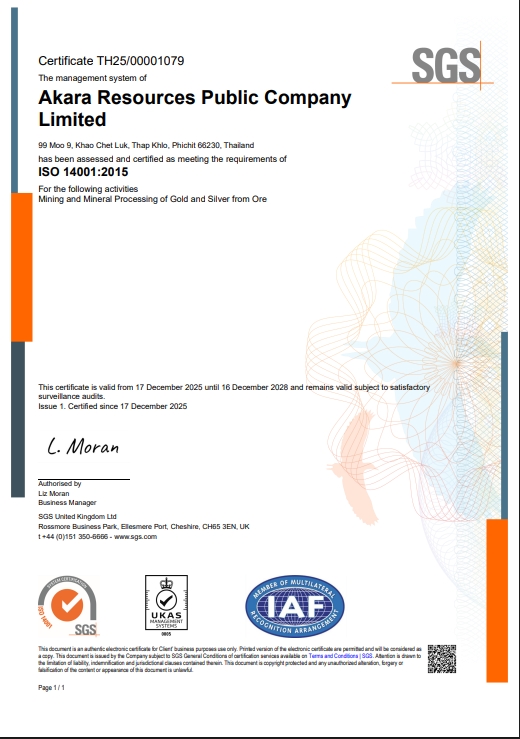
This achievement reflects Akara (“the Company”)’s operational approach, which places strong emphasis on quality, environmental responsibility, and the health and safety of employees and all stakeholders. It is fully aligned with the Company’s vision to “safely and sustainably create value for all stakeholders through operational excellence and unlocking the full potential of our mineral endowment.”
The attainment of all three ISO certifications at the same time serves as clear evidence of Akara’s robust management foundations and its commitment to continuous improvement, aimed at delivering long-term sustainable value for communities, society, and all stakeholders.
The Company extends its sincere appreciation to all employees whose dedication and collaboration have contributed to elevating the Company’s operations to internationally recognized standards.
ISO 9001:2015 – Quality Management System
ISO 14001:2015 – Environmental Management System
ISO 45001:2018 – Occupational Health and Safety Management System
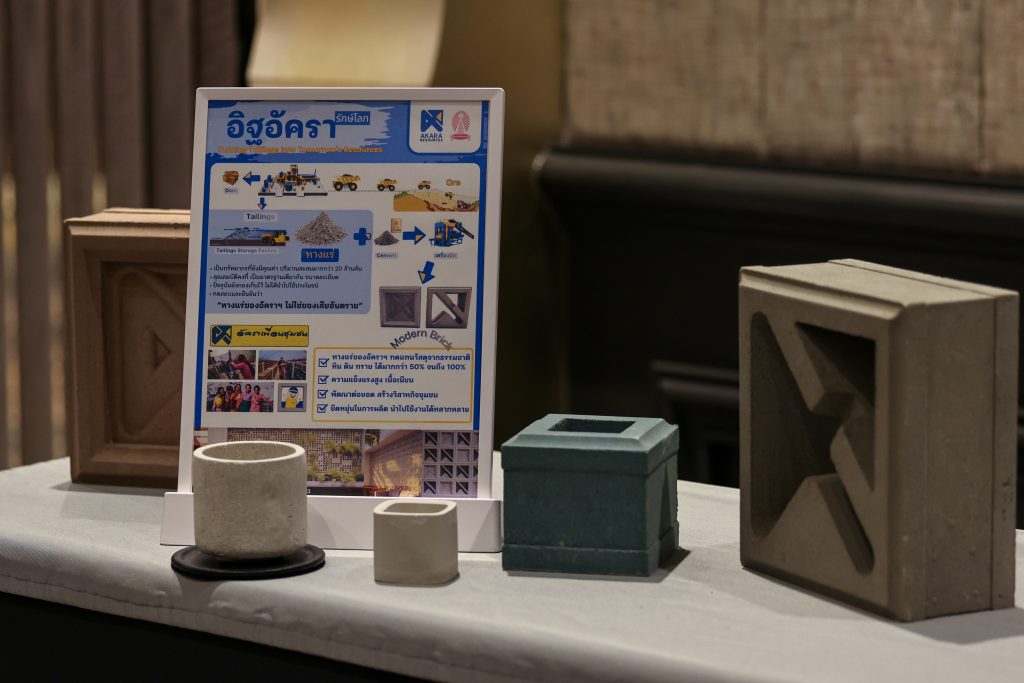
Akara, Thailand’s only gold and silver mine operator, together with the Gem and Jewelry Institute of Thailand (Public Organization) (GIT), MTS Refinery and Manufacturing Company Limited, and Chulalongkorn University hosted a knowledge-sharing forum titled “Responsible Mining for Growth: Advancing Global Standards and Carbon Credit Opportunities through Tailings Innovation.”
Held on 18 November 2025 at the InterContinental Bangkok, the forum brought together representatives from government agencies, academia, and the private sector to exchange insights on advancing Thailand’s gold industry to meet international standards, while exploring new opportunities and innovations in sustainable mining and the circular economy.
As the operator of the Chatree Gold Mine, Akara’s operations contribute over 7.7 billion baht to Thailand’s economy each year and create more than 1,000 direct and indirect jobs across three key provinces near the mine. Despite being the country’s sole gold producer, Akara ranks among the top five contributors of mining royalties nationwide, highlighting the gold sector’s vital role in driving Thailand’s economy.
(Mr. Cherdsak Utha-aroon, General Manager – Sustainability, Akara Resources Public Company Limited)
Mr. Cherdsak Utha-aroon, General Manager of Sustainabilityat Akara, said: “Building a sustainable future for Thailand’s gold industry requires collaboration across the entire value chain, from upstream to midstream to downstream. This forum provides an important opportunity for all stakeholders to align on standards and shared goals for responsible growth, ensuring that Thai gold continues to generate lasting economic and social value for the country.”
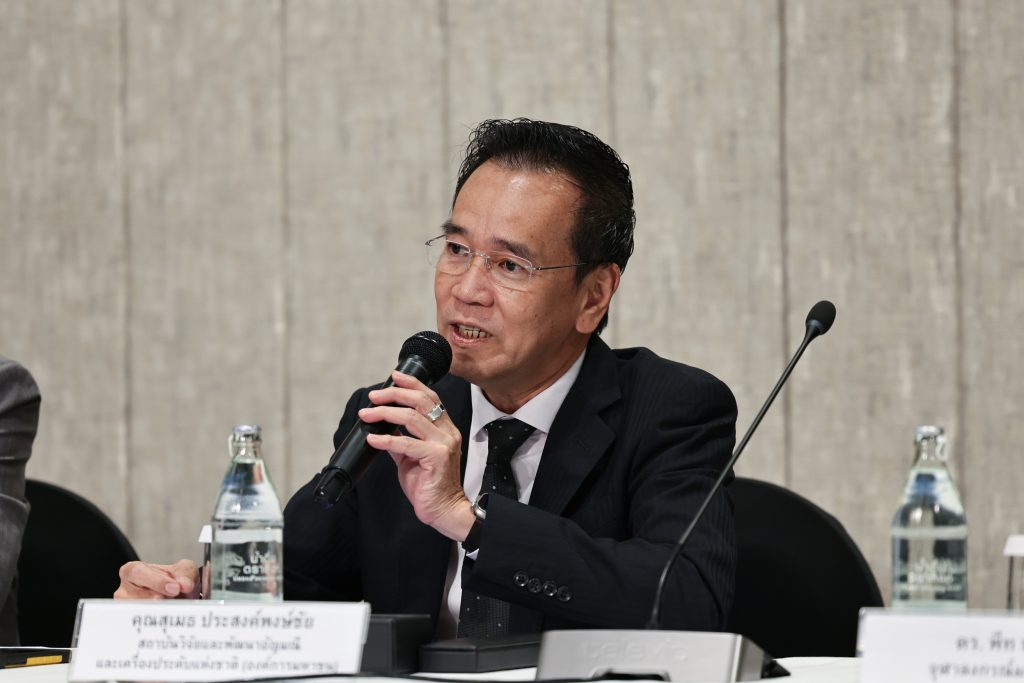
(Mr. Sumed Prasongpongcha,i Director General, The Gem and Jewelry Institute of Thailand (Public Organization))
One of the key topics discussed was the need to establish robust standards and transparency within Thailand’s gold industry. The Gem and Jewelry Institute of Thailand (GIT) outlined its vision for the “Thai Responsible Gold Ecosystem” framework, which aims to elevate the Thai gold industry to meet international benchmarks through a unified national standard. The standardized framework will enhance transparency and trust in Thai gold, moving the sector from mere compliance toward global leadership in sustainable gold standards.
Akara, as a key upstream operator in Thailand’s gold industry, fully supports this framework and serves as a model for responsible mining, demonstrating transparent operations, adherence to international standards, and a strong commitment to community development and the continuous creation of economic value for downstream private sector stakeholders.
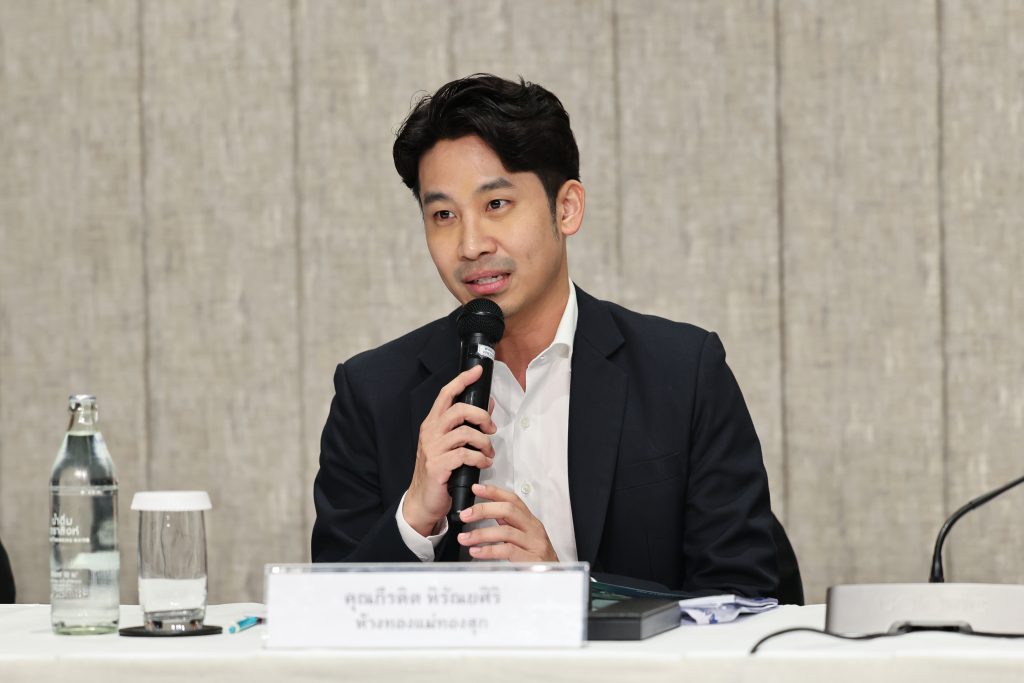
(Mr. Keeradit Hirunyasiri, Managing Director and Chief Operating Officer, MTS Refinery & Manufacturing Co., Ltd. (or Mae Thong Suk))
MTS Gold, Thailand’s first gold trader to have received Carbon Footprint certification for its products, highlighted its approach to aligning industry practices with the country’s environmental and sustainability goals. The company views the “Green Gold” concept as a key driver for the future of Thailand’s gold sector, focusing on mitigating environmental impact across at every stage of the value chain, from mining and refining to manufacturing and retail.
This approach enhances the value of Thai gold as an ethical and sustainable investment, appealing to ESG-focused investors and environmentally conscious consumers seeking products that balance economic value with social and environment responsibility throughout the value chain. It also strengthens Thailand’s reputation and competitiveness in the global market while supporting the country’s broader transition toward a green economy.
MTS Gold also noted the growing momentum of Thailand’s silver market, which has become increasingly active in recent years. The company reported average trading volumes of one ton per week, reflecting silver’s rising popularity as a valuable precious metal alongside gold.
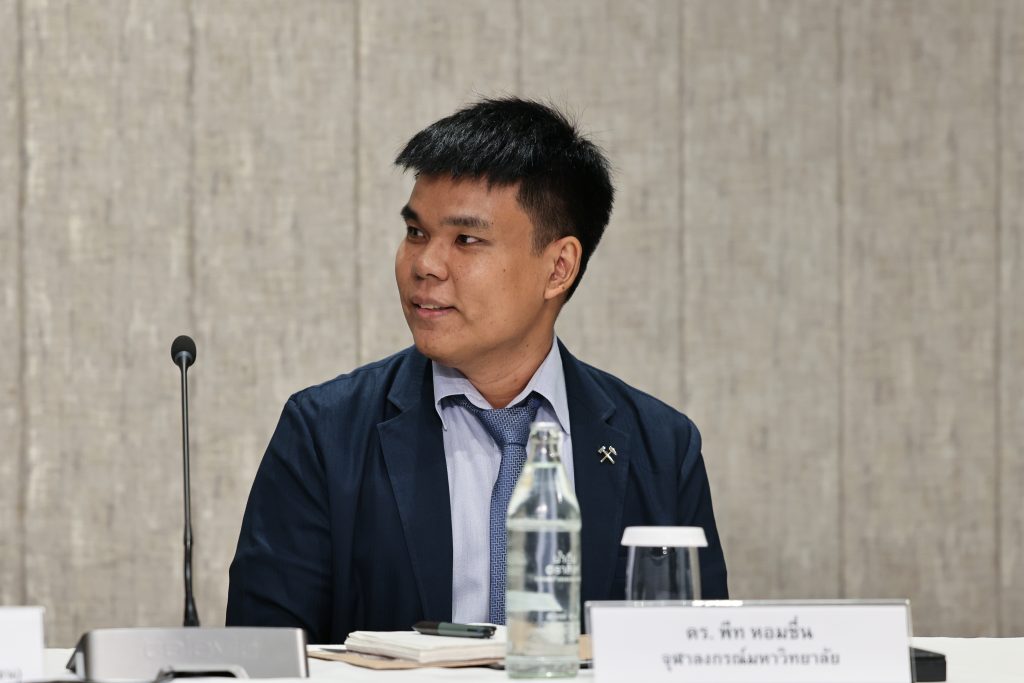
(Dr. Peet Homchuen, Lecturer, Department of Mining and Petroleum Engineering, Faculty of Engineering, Chulalongkorn University)
From the academic perspective, a representative from Chulalongkorn University showcased ongoing research to transform mine tailings, a by-product of gold and silver extraction, into innovative materials such as microbe-based construction blocks that are durable, safe, and environmentally sustainable. These developments not only reduce mining waste but also serve as a model for advancing a circular economy. Current studies are also exploring the use of tailings as carbon-capture materials in construction, which could generate additional carbon credits for Thailand in the future.
The forum attracted strong participation from across public, private, and academic sectors, reflecting a shared commitment to advancing the Thailand’s responsible gold industry. It demonstrated Akara’s role as both a key contributor to the national economy and a leader in responsible mining. By emphasizing transparency, collaboration, and innovation, the company aims to play a pivotal role in supporting Thailand’s transition toward a sustainable, low-carbon, and inclusive green economy.
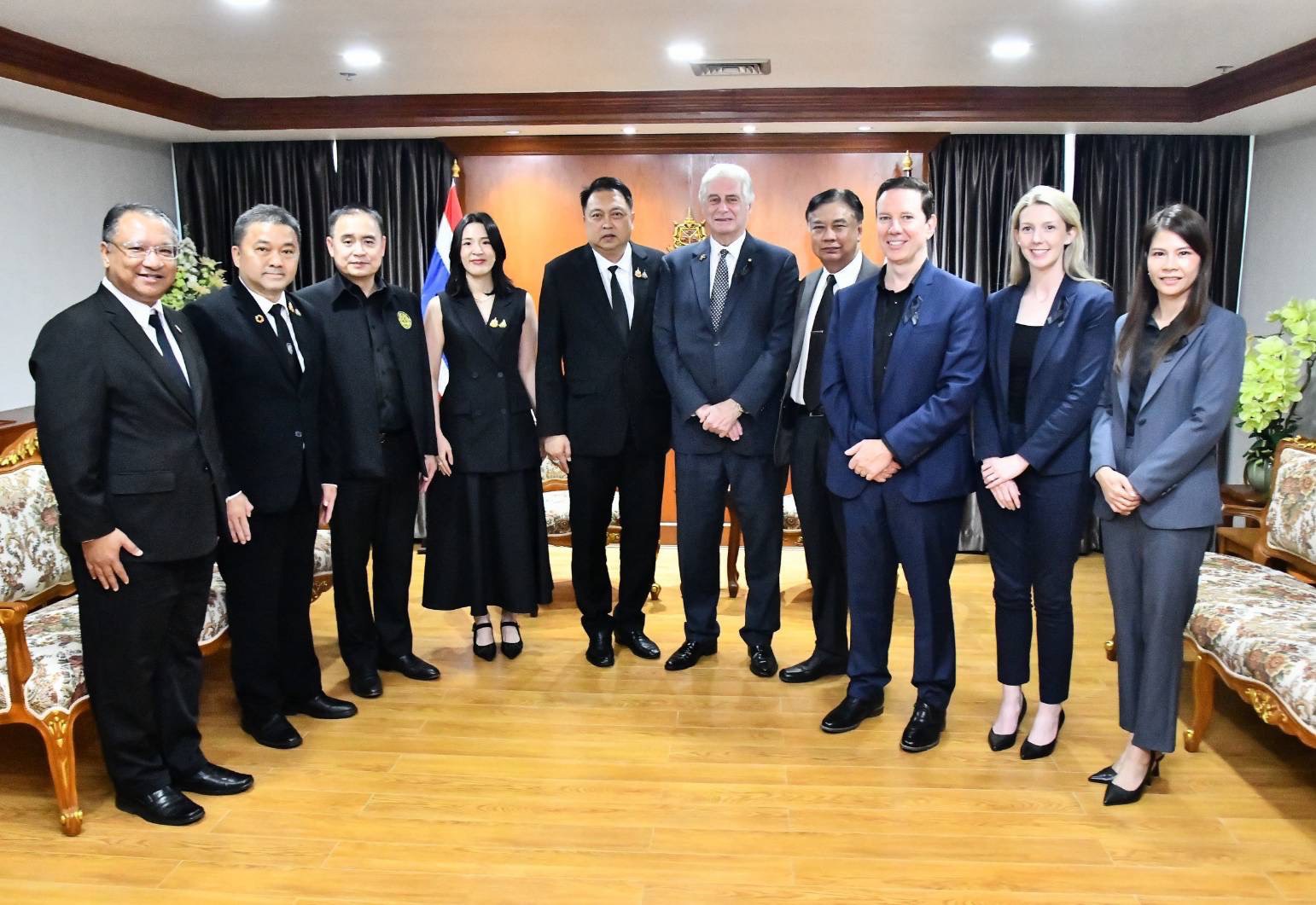
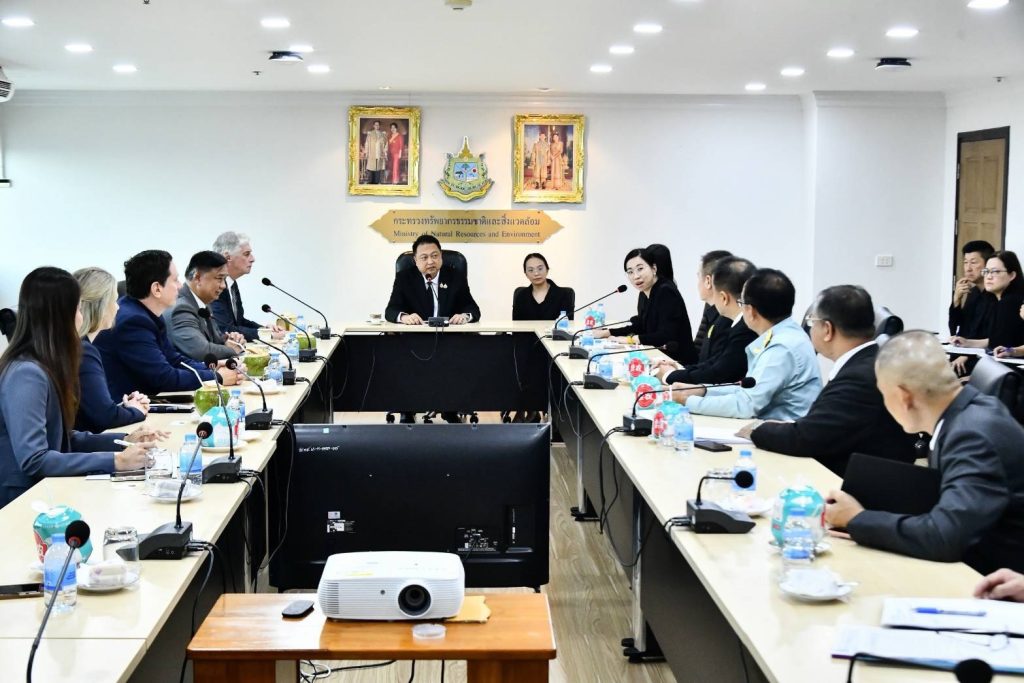
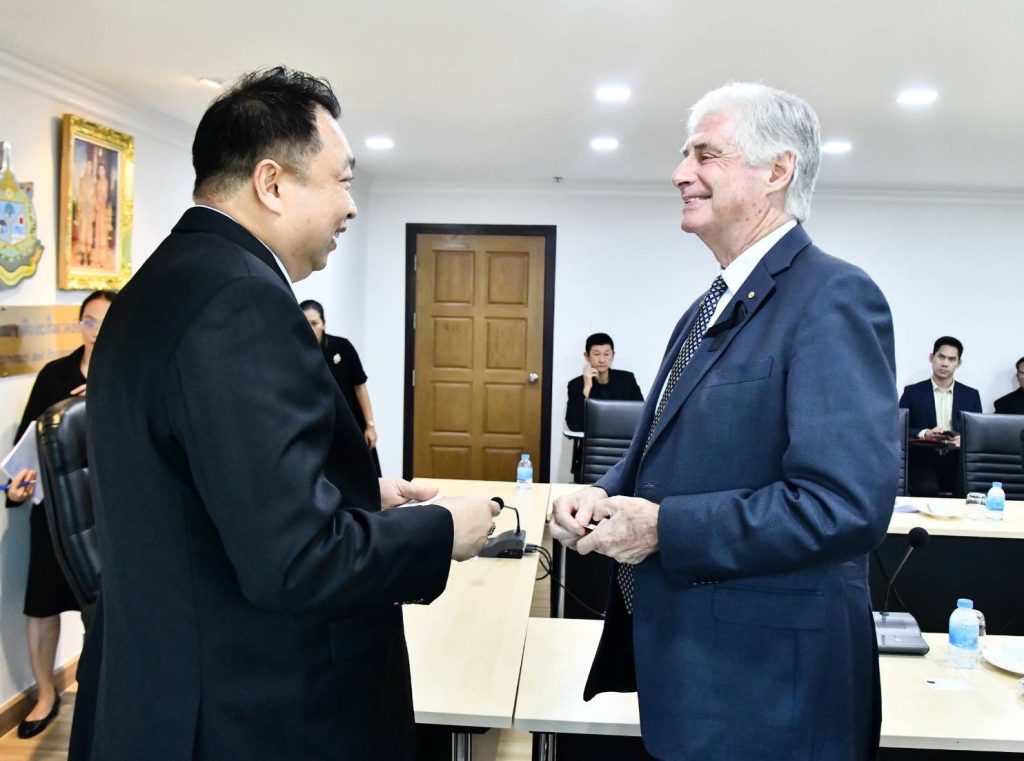
On 3 December 2025, management of Kingsgate, led by Mr. Ross Smyth-Kirk OAM, Executive Chairman and Managing Director and Mr. Jamie Gibson, Chief Executive Officer, together with Mr. Cherdsak Utha-aroon, General Manager of Sustainability at Akara, met with Mr. Suchart Chomklin, Deputy Prime Minister and Minister of Natural Resources and Environment. The meeting focused on acknowledging the resolution of the TAFTA matter and discussing opportunities for ongoing collaboration to support responsible mining practices aligned with international standards. The Company reaffirmed its commitment to support Thailand to become a regional hub for gold and silver trading, leveraging the country’s strong resource potential and well-established downstream industries. Kingsgate remains confident that the Chatree Gold Mine will continue to play a key role in driving Thailand’s economy through job creation, income generation, and improving the quality of life in surrounding communities.
Since the Chatree Gold Mine resumed operations in March 2023, Kingsgate has made substantial investments in Thailand, including refurbishment of the site and recruitment of personnel. The Company has paid more thanTHB 2 billion in royalties and contributed over THB 450 million to funds established under Thailand’s mineral resource management policy and strategic framework. The mine’s operations are expected to inject more than billions of Baht annually into the Thai economy through support for local businesses and employment—both directly and through local contractors. The Company also places great importance on community engagement, maintaining ongoing dialogue with local communities to share information and collect feedback.
Cherdsak reaffirmed that the Company operates in full compliance with all relevant laws, regulations, and requirements, and recognizes principles of good governance. All activities at the Chatree Gold Mine prioritise safety, health, and environmental stewardship in accordance with international standards. The Company also provides ongoing health check-ups for local residents to build confidence that mining activities do not pose health risks to nearby communities—an assurance supported by the long-term good health of many employees who have worked at the mine for 10–20 years.
“Approximately 85% of our employees are local residents. If the mine were truly unsafe, no one would risk their own wellbeing, or that of their families for employment here. The trust that our employees and neighboring communities place in us is a powerful testament to our commitment. In addition, contributions paid to the Village Development Fund have played a crucial role in improving community wellbeing. Most recently, a local subdistrict administrative organization used the fund to install solar-powered streetlights, greatly enhancing convenience and safety for local residents,” said Cherdsak.
The Company would like to take this opportunity to sincerely thank the Government, community leaders, and residents around the mine for their trust and support, which remain integral to achieve the long-term prosperity for all.
Akara Secures Two Major Awards for Corporate Social Responsibility and Environmental Conservation, Reinforcing its Commitment to a Sustainable Balance between Business Operations, Community Development, and Environmental Stewardship.
On 12 September 2025, Akara was honored with the 2025 Corporate Social Responsibility Promotion Award (CSR Award 2025). This recognition was granted by the Department of Social Development and Welfare, under the Ministry of Social Development and Human Security (MSDHS), for the company’s outstanding CSR performance at the provincial level (Phichit Province). Ms. Yuwathida Phuk-on, Akara’s Community Relations and Development Manager, accepted the award from Mr. Anukul Peedkaew, Permanent Secretary of the MSDHS.
This award reflects Akara’s ongoing commitment to Corporate Social Responsibility (CSR) through initiatives designed to create tangible values and align with the real needs and lifestyles of the communities surrounding the mine. These programs include supporting extracurricular activities for youth, developing skills in language, music, and sports, and implementing social projects aimed at reducing inequality and enhancing quality of life. Furthermore, Akara consistently collaborates with government agencies and partners to continuously expand the impact of these projects.
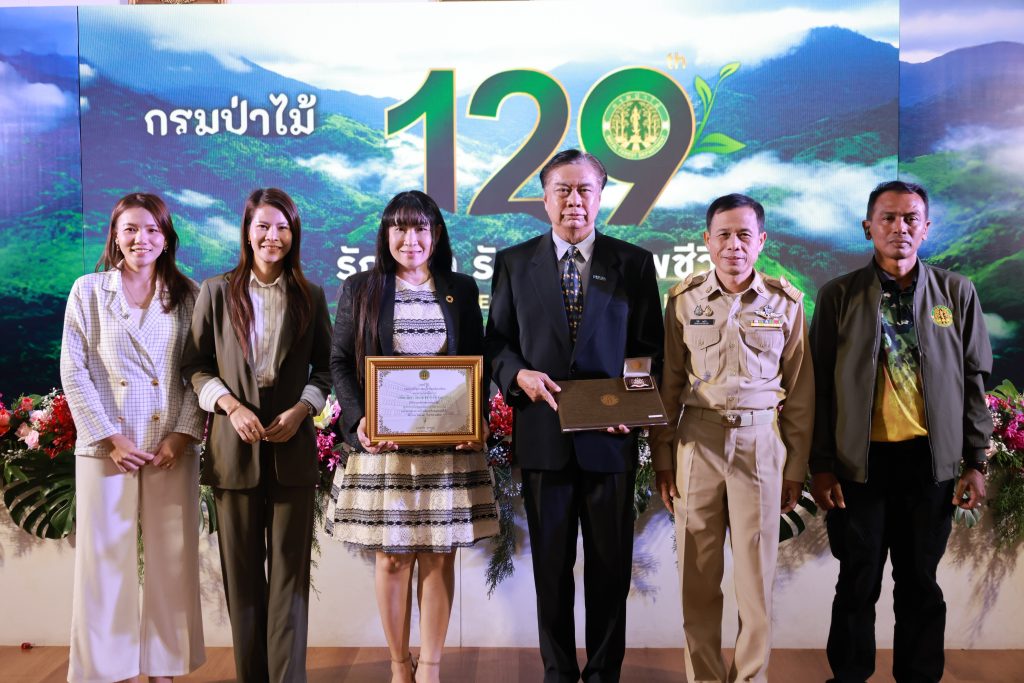
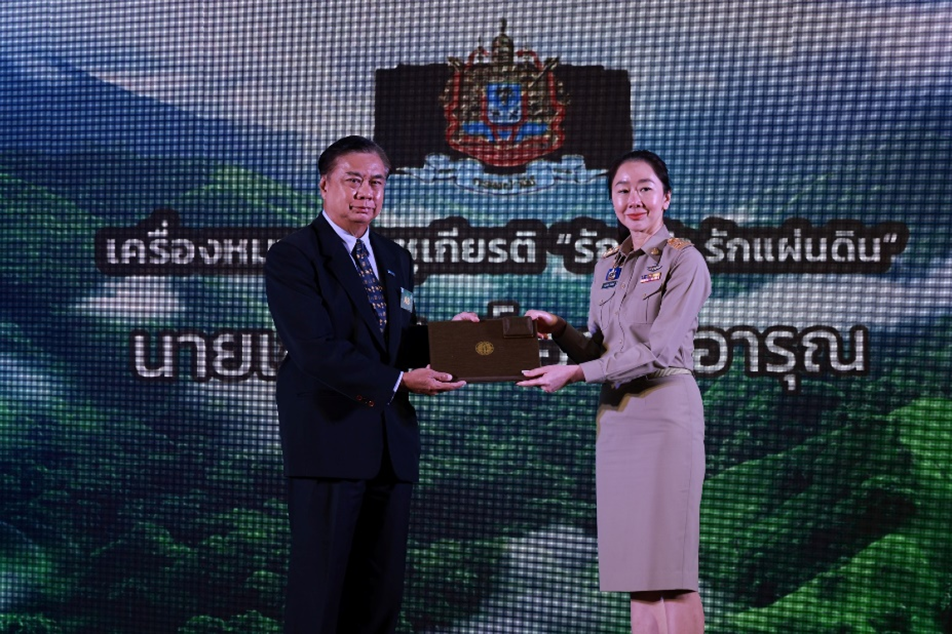
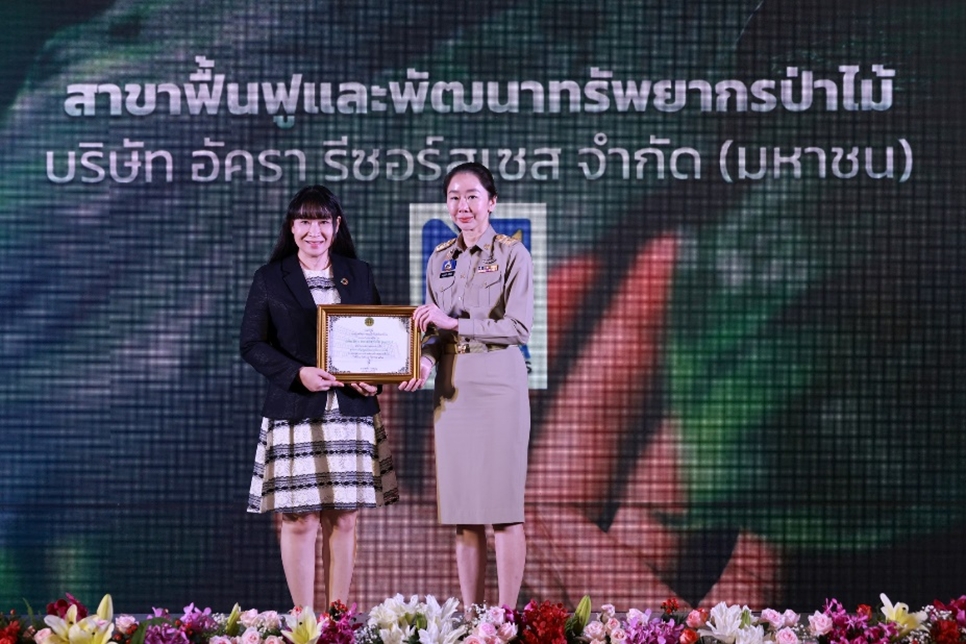
Following this recognition, on 18 September 2025, marking the 129th Anniversary of the Royal Forest Department, Akara was also honored with the prestigious “Love the Forest, Love the Land” commendation from the Department. Mr. Cherdsak Utha-aroon, General Manager of Sustainability, accepted the honor, while Yuwathida received a certificate of appreciation for assisting the Royal Forest Department’s work. The honors were presented by Dr. Chayanan Pakdeejit, Permanent Secretary of the Ministry of Natural Resources and Environment.
Cherdsak stated, “Receiving these two distinguished awards in quick succession is an enormous encouragement and echoes the fact that we are on the right path. This recognition is built upon the genuine intent and strong collaboration of our employees, partners, government agencies, and the community. We are deeply thankful to all parties for their continued trust and cooperation with Akara. This success isn’t just a corporate award; it is confirmation that achieving a balance between economic development, society, and the environment is truly possible for all of us, and this will remain the core of our work moving forward.”
Want to travel in Thailand but not sure where to go? Discover something new this holiday with a visit to Phichit and Phetchabun! These two provinces are home to the renowned Chatree Gold Mine and boast a wide array of charming and diverse attractions. Whether you’re drawn to breathtaking nature, sacred temples, historical landmarks, or vibrant local communities, there’s something here to captivate every traveler. This is a destination you won’t want to miss—make sure to visit at least once in your lifetime!
Today, we’re unveiling 18 must-visit attractions that will make your trip unforgettable—filled with adventure, culture, and fun! Plus, you’ll leave with stunning photos to share with friends. So, mark your calendar and get ready to explore!
Phetchabun: The Land of Mountains and the Sea of Mist
The Land of Faith and Beauty atop the High Peaks of Khao Kho – Wat Phra That Pha Sorn Kaew is one of Phetchabun’s most breathtaking attractions, offering panoramic views of the sea of mist amidst lush green mountains. This sacred temple is home to the striking five white Buddha statues, the golden Buddha hall, and nine gleaming stupas, all adorned with intricate mosaic tiles and Benjarong ceramics. Blending various art forms, the temple’s architecture is a masterpiece of spiritual and aesthetic beauty.
Opening Hours: 06:00 AM – 06:00 PM Entrance Fee: Free
A Coffee Paradise in Thailand’s Largest Hydrangea Fields – Sip on a delicious cup of coffee while surrounded by Khao Kho’s most stunning hydrangea fields. The vibrant flowers, set against the lush mountain landscape, create a dreamy atmosphere that’s perfect for photo lovers and nature enthusiasts. The flower fields change seasonally, featuring purple Marguerite flowers in winter, followed by fountain grass, blue salvia, red salvia, celosia, chrysanthemums, and marigolds—ensuring year-round beauty!
Opening Hours: Garden: 07:30 AM – 06:00 PM Café: 08:00 AM – 05:30 PM Entrance Fee: Free for children under 10, 60 THB for adults
3. Phu Thap Boek
Conquer Phetchabun’s Highest Peak and Witness a Stunning Sea of Mist – For adventure seekers and nature lovers, Phu Thap Boek is the ultimate getaway. With its cool climate, panoramic views of the sea of mist, and vast cabbage fields, it’s a true natural wonder. Visitors can experience the traditional lifestyle of the Hmong people, explore the scenic trails, and at night, enjoy stargazing under a brilliantly lit sky. The best time to visit is from the end of the rainy season through winter, when the mist is at its most breathtaking.
Opening Hours: Open 24 hours Entrance Fee: Bring your own tent: 40 THB/night (maintenance fee per person) Tent rental (includes bedding): 350 THB/night (2-person), 650 THB/night (4-person)
Thailand’s Very Own Savannah Grasslands – Thung Salaeng Luang National Park is a must-visit for nature lovers, featuring vast grasslands, pine forests, and colorful wildflowers. Often called Thailand’s Savannah, this stunning landscape is perfect for hiking, wildlife spotting, and peaceful relaxation. Visitors can explore nature trails while looking out for rare wildlife such as muntjacs, deer, and exotic birds. Ideal for camping enthusiasts, bird watchers, and adventure seekers, this park is at its most stunning during the rainy and winter seasons.
Opening Hours: 08:00 AM – 04:30 PM Entrance Fee: 40 THB/person 30 THB per 4-wheel vehicle 30 THB/person for camping
A Hidden Natural Treasure with Stunning Caves – Escape the heat and immerse yourself in nature’s cool embrace at Pha Khong Mountain Range. This breathtaking destination is home to stalactites and stalagmites, offering visitors a glimpse into a hidden geological and archaeological wonder. The mountain range boasts over 10 caves, though only a few are open for exploration, including the Silver Cave, Golden Cave, Tiger Mouth Cave, Naga Cave, and Pha Khong Cave. A major highlight is the Silver Cave, which maintains a cool temperature of 24–25°C, earning it the nickname “Air-Conditioned Cave” or “Fridge Cave.” Another must-visit is the Pha Khong Cave, also known as the Seven-Color Cliff. A favorite among photographers, this cave features a 20-meter-high, 80-meter-long curved limestone formation.
Opening Hours: Open daily Entrance Fee: Free
Phichit, the City of Chala Wan – A Land of Rich History and Culture
6. Bueng Si Fai
The Heart of Phichit and a Scenic Riverside Escape – As Thailand’s third-largest freshwater lake, Bueng Si Fai is a must-visit destination for relaxation and recreation. Recently revitalized, this iconic landmark offers a perfect setting for leisurely walks, cycling, and sunset boating. Visitors can also feed fish at the pavilion, experience the simple riverside lifestyle, or admire Thailand’s largest crocodile sculpture, a symbol of Phichit and a must-see photo spot.
A Journey Through Ancient Civilizations – Step back in time and explore the remnants of Phichit’s ancient city. This historic park, declared an archaeological site in 1935 and restored in 1986, is home to significant cultural landmarks such as:
The City Pillar Shrine – a traditional Thai wooden structure
Wat Mahathat – an ancient temple featuring a distinctive lotus-bud-shaped stupa
Chala Wan Cave – a site tied to Phichit’s famous local legend
Perfect for history lovers, this park provides insight into the art, culture, and heritage of Phichit’s glorious past.
Opening Hours: 08:00 AM – 04:30 PM Entrance Fee: Free
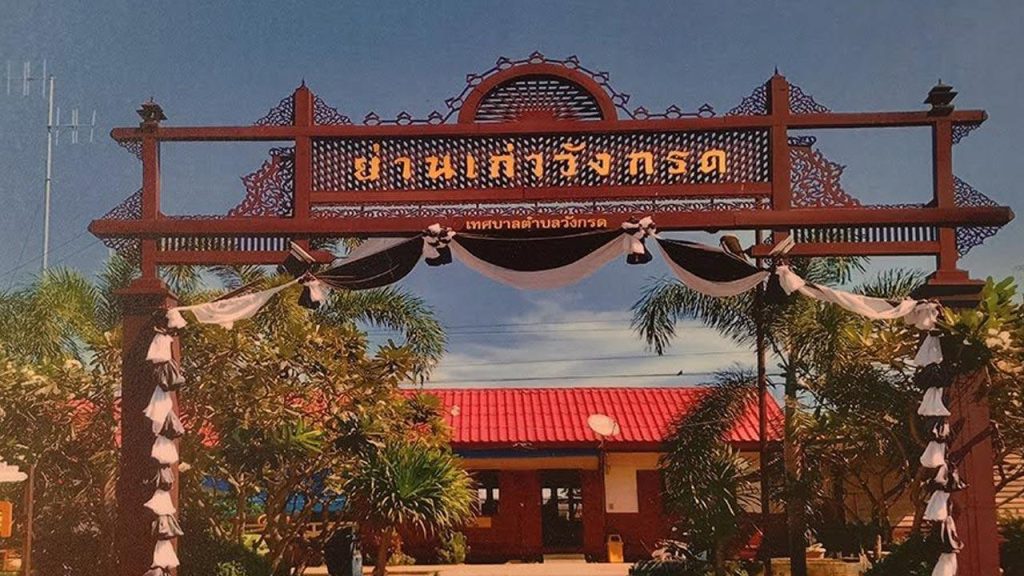
A Nostalgic Stroll Through a Historic Riverside Community – Nestled along the Nan River, Wang Krod Old Village is a charming community where time seems to stand still. Visitors can admire century-old wooden houses, experience traditional riverside life, and enjoy authentic local cuisine. A highlight of the village is the Phra Theung Kadee House, the area’s first two-story home, now transformed into a living museum showcasing Phichit’s history.
Opening Hours: 08:00 AM – 05:00 PM Entrance Fee: Free
A Sacred Temple with Historic Significance – For those seeking a spiritual retreat, Wat Phothi Phatthum Chang is an unmissable landmark. Built during the reign of King Phutthasrithhep VIII (King Tiger), this temple features a grand ubosot (ordination hall), showcasing Ayutthaya-style architecture. Visitors can pay respects to the centuries-old Takian tree, believed to possess divine power. The temple is also a haven for birdwatching, with species like long-tailed parakeets, red-crowned parakeets, and mynah birds thriving here. From November to December, visitors can embark on a magical boat ride to witness glowing fireflies surrounding the temple.
Opening Hours: 08:00 AM – 05:00 PM Entrance Fee: Free
A Center of Faith and Spiritual Blessings – Located along the Nan River, Thalo Shrine, also known as Mae Thapthim Tha Lo Shrine, is over 100 years old and holds deep cultural significance. A sacred site for locals and visitors alike, the shrine is believed to bring good fortune, success in business, and protection during travels. The annual festival at the shrine is a vibrant celebration that draws large crowds. According to legend, King Phutthasrithhep of Ayutthaya once visited this area and saw a mysterious golden light emanating from the shrine. He later ordered its reconstruction using Takian wood pillars, further solidifying its historical importance.
Opening Hours: 06:00 AM – 06:00 PM Entrance Fee: Free
A Sacred Temple Honoring Luang Phor Ngern – Wat Bang Khlan is a renowned temple housing the revered statue of Luang Phor Ngern Phutthachot, a highly respected monk from the middle Rattanakosin period. Known for his expertise in sacred arts, particularly in invulnerability, protection, and charm, Luang Phor Ngern remains a legendary figure in Thai history. His amulets—including statues, coins, and takrud (sacred metal scrolls)—are highly sought after by collectors and devotees. Beyond his spiritual influence, Luang Phor Ngern was also a skilled herbalist, renowned for treating diseases, especially cholera. His compassion and healing abilities earned him the title “The God of Pho Talae.” Today, Wat Bang Khlan remains an important pilgrimage site, attracting visitors who come to pay respects and seek blessings from his statue.
Opening Hours: 08:00 AM – 05:00 PM Entrance Fee: Free
A Vintage Landmark with Timeless Charm – More than just a transportation hub, Phichit Railway Station is a beloved historic landmark perfect for vintage photography. Its classic architectural design, featuring a charming single-story wooden building raised on stilts and painted in warm yellow with brown accents, reflects the elegance of the past. Widely regarded as one of Thailand’s most beautiful train stations, it attracts visitors looking to capture nostalgic moments. The iconic “Phichit Railway Station” sign is a must-see for anyone seeking a memorable snapshot. With its old-world atmosphere, surrounded by local shops, restaurants, and traditional tuk-tuks, this station offers a delightful glimpse into a bygone era.
Opening Hours: 08:00 AM – 05:00 PM Entrance Fee: Free
13. Taphan Hin Railway Station
A Classic Stop for Vintage Photography – A charming stop along the railway route, Taphan Hin Railway Station exudes historical elegance. Built during the reign of King Rama VI, this well-preserved wooden station is painted in soft cream yellow with brown accents, capturing the architectural style of its time. Although smaller than Phichit Railway Station, it remains a beloved landmark, especially among photography enthusiasts. Whether you’re a fan of classic train travel or simply looking for a picturesque spot, this station is worth a visit.
Opening Hours: 08:00 AM – 05:00 PM Entrance Fee: Free
14. Giant Siam Tulip– Khao Lon
CR : สำนักงานการท่องเที่ยวและกีฬา จังหวัดพิจิตร
A Sea of Pink Blossoms in the Rainy Season – Hidden within Baan Rak Thai, Chomphu Subdistrict, the Giant Siam Tulip field is one of Phichit’s best-kept natural wonders. Every year between July and September, these striking flowers—locally known as “Dok Krajiow Daeng”—bloom in breathtaking shades of pinkish-purple, blanketing the valley in a sea of vibrant colors. The lush green backdrop of the surrounding forest enhances the scenery, making it an ideal destination for nature lovers and photographers. Visitors can also take part in guided nature walks, learn about local traditions, and purchase handcrafted souvenirs from the community.
Opening Hours: July – September (check before visiting) Entrance Fee: Free
15. Wat Phra Phutthabat Khao Sai
CR : วัดเขาทราย
A Sacred Pilgrimage with Breathtaking Views – Perched atop a limestone mountain, Wat Phra Phutthabat Khao Sai is a revered spiritual site known for its sacred replica of the Buddha’s footprint. Visitors can embark on a serene climb to the summit, where they can pay homage at the temple’s Ubosot (ordination hall) while soaking in panoramic views of Thap Khlo District. The temple’s peaceful atmosphere, fresh mountain air, and spiritual significance make it a perfect retreat for meditation and merit-making. Another highlight is the Reclining Buddha statue (Phra Phuttha Saiyas), considered an auspicious Buddha image for those born on Tuesdays. On important religious occasions, such as the Tak Bat Devo ceremony, monks descend the temple’s grand staircase to receive alms, creating a truly spectacular sight.
Opening Hours: 08:00 AM – 05:00 PM Entrance Fee: Free
A Hilltop Sanctuary with Stunning Sunset Views – Nestled on a small hill in Thap Khlo, Wat Khao Rup Chang is a serene meditation retreat with breathtaking vistas. The temple’s name, meaning “Elephant-Shaped Mountain,” originates from a large rock at its base that resembles an elephant. Visitors can explore the temple’s tranquil grounds and ascend to the white, bell-shaped stupa at the hilltop, where a panoramic view of Thap Khlo unfolds. As the sun sets, the sky transforms into a mesmerizing blend of colors, enhancing the temple’s beauty. Ideal for both spiritual seekers and nature lovers, this hidden gem offers a perfect balance of tranquility and scenic splendor.
Opening Hours: 08:00 AM – 05:00 PM Entrance Fee: Free
A Royal Temple and Cultural Hub – Standing gracefully along the Nan River, Wat Tha Luang is a revered temple with over 200 years of history. It is the spiritual heart of Phichit and home to the highly respected Luang Pho Phet, a bronze Buddha image in the elegant Chiang Saen style. Recognized as a provincial landmark, the temple plays a significant role in local traditions, most notably hosting the annual long-tail boat race, a vibrant event that draws both locals and visitors. Whether you seek spiritual blessings or a deeper connection to Phichit’s cultural heritage, this sacred temple is a must-visit.
Opening Hours: 08:00 AM – 05:00 PM Entrance Fee: Free
18. Wat Si Sattharam
CR : พิจิตรไกด์.คอม
A Riverside Sanctuary of Peace and Prosperity – Formerly known as Wat Huay Yao, Wat Si Sattharam is a picturesque temple nestled along the Nan River in Pa Makab, Phichit. Its grand entrance is adorned with an intricate golden Buddha statue, while the temple’s main hall houses a radiant Mara Vichaya Buddha image. Another striking feature is the pair of seven-headed Naga statues that stand guard, their gleaming brass surfaces reflecting sunlight beautifully. Visitors come here to offer prayers, seek blessings for prosperity, and admire the temple’s exquisite craftsmanship. With its peaceful riverside ambiance, it is also an ideal place for quiet contemplation and relaxation.
Opening Hours: 06:00 AM – 06:00 PM Entrance Fee: Free
Uncover the Hidden Treasures of Phichit and Phetchabun – From sacred temples and historic railway stations to breathtaking natural wonders, Phichit and Phetchabun offer a perfect mix of spirituality, adventure, and cultural exploration. Whether you’re drawn to serene landscapes, ancient traditions, or simply looking for the perfect photo spot, these destinations promise an unforgettable journey.
Pack your bags, explore these hidden gems, and take home beautiful memories that will last a lifetime!
Cyanide…Just hearing the name, many people may feel fearful due to news stories, which often lead to significant suspicion. But did you know that cyanide is a chemical substance much closer to us than we think? In this article, we’ll introduce you to cyanide—what it is, what it looks like, where it can be found, and whether it exists in the natural environment around us. We’ll also explore its potential dangers, its beneficial uses in various industries, and clear up some common misconceptions about cyanide.
Understanding Cyanide: A Chemical Compound Often Considered Dangerous
Cyanide is classified as a Type 3 hazardous substance under the Hazardous Substances Act, B.E. 2535 (1992). Possessing cyanide without permission can result in imprisonment and fines. Chemically, cyanide is a compound consisting of the cyanide ion (CN-) as its main component, made up of carbon (C) and nitrogen (N) atoms. Cyanide exists in several forms, including solid crystalline chunks, white powder, a colorless liquid with no odor, or as a gas that is colorless but may have an almond-like scent.
The surprising truth that many may not know is that cyanide is all around us, subtly blending into our environment in ways we might not even realize.
Cyanide in Nature: A Hidden Presence Closer Than You Think
Cyanide is not only found in laboratories or industrial plants; it also occurs naturally in the environment and is much closer to us than many might realize.
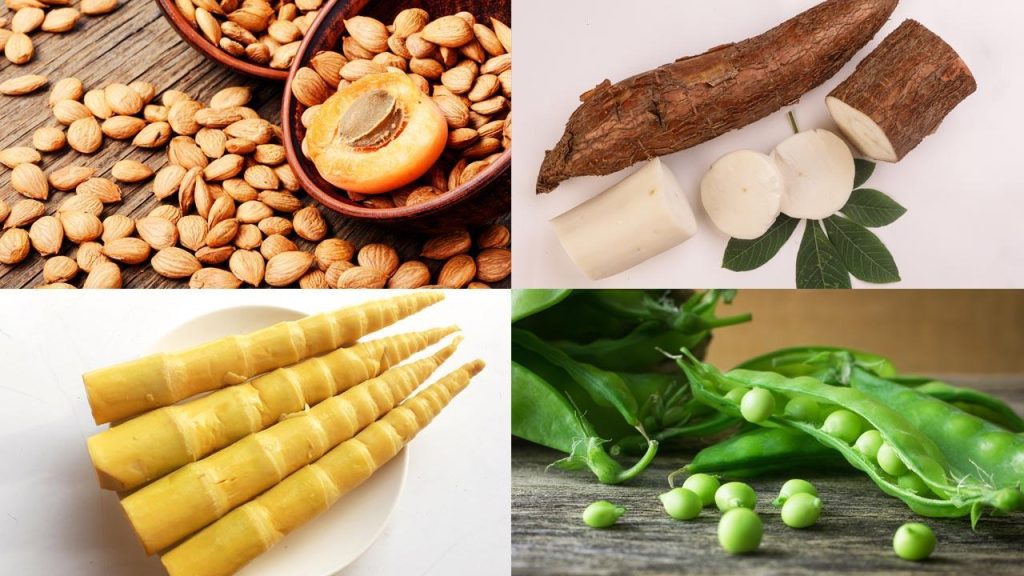
Vegetables and Fruits: At least 1,000 types of plants and fruits, many of which are familiar to us, can naturally synthesize cyanide. Examples include cotton, hemp, potatoes, yard-long beans, soybeans, turnips, peas, Chinese cabbage, cassava, fresh bamboo shoots, peaches, pears, cherries, plums, corn, apple seeds, and almonds, among others.
Certain Animals: Some animals also produce cyanide as a defense mechanism. Examples include scorpions, millipedes, ladybugs, common butterflies, and moths.
Foods and Products: Cyanide can even be found in everyday items, such as coffee, salt, cigarettes, e-cigarettes, and even the jeans we wear.
Cyanide Sounds Dangerous—So Why Aren’t We Affected?
Even though we know cyanide is all around us, have you ever wondered why it doesn’t seem to have any harmful effects on us? The reason lies in the fact that cyanide exists in various forms. Some types are non-toxic, while others can be highly toxic. On average, the lethal dose of cyanide when ingested orally is about 1-2 milligrams per kilogram of body weight. If the body absorbs a smaller amount of cyanide, it may not be immediately life-threatening, but it can still cause symptoms such as weakness, headaches, dizziness, nausea, vomiting, difficulty breathing, rapid heartbeat, seizures, and potentially even loss of consciousness. The severity of these symptoms depends on the amount, type, and duration of exposure.
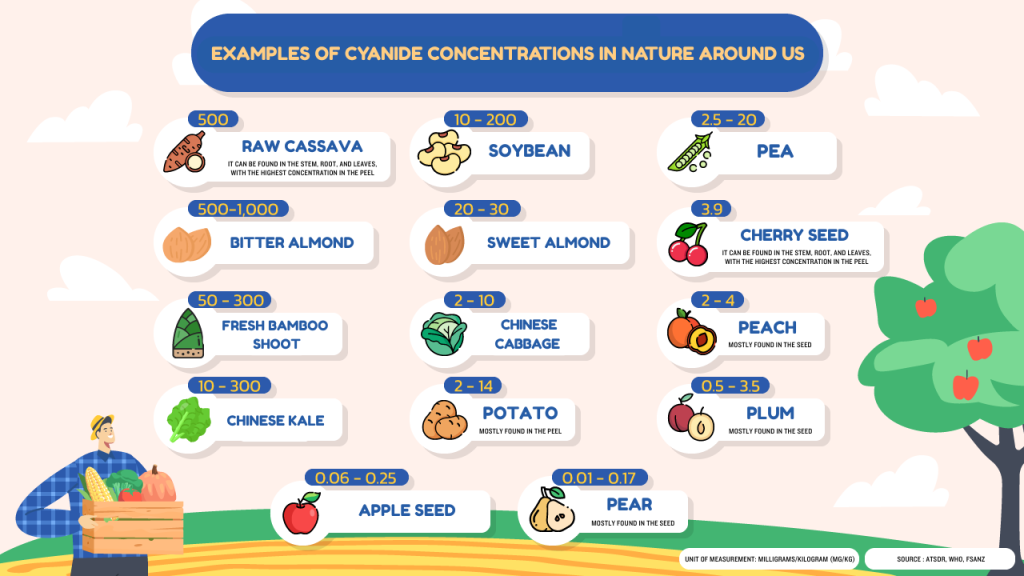
Here are some examples of the cyanide levels found in natural sources, such as the fruits and vegetables mentioned earlier:
Note:
The data in the table represents the average cyanide content in vegetables, which may vary depending on the species, season, and growing conditions.
Consuming vegetables in normal quantities is not harmful to the body because the cyanide content is very low, and the body can naturally eliminate it.
It is recommended to wash, peel, or cook vegetables thoroughly with heat before consumption to reduce the cyanide content and other residual toxins found in naturally occurring vegetables and fruits, such as bamboo shoots, Chinese cabbage, cassava, and almonds.
The Use of Cyanide in Various Industries: Benefits and Safety Under Strict Control
In industrial applications, cyanide is considered an important chemical used in manufacturing processes. Cyanide is applied in various industries, including:
Mining: It is used in extracting gold and other precious metals. Cyanide has been utilized in the gold mining industry since the 19th century due to its effectiveness in dissolving gold in its most stable form.
Plastic Production: Cyanide is used as a raw material in the production of plastics such as nylon and acrylic.
Metal Plating: It is used in metal plating processes to enhance the strength, durability, and aesthetics of metals. Examples include gold plating, silver plating, and chrome plating.
Paper Production: Cyanide, particularly sodium cyanide, is used in the bleaching process of paper pulp to remove lignin, the substance that causes paper to turn yellow. This helps produce white, clean, and high-quality paper.
Artificial Leather Production: Cyanide is used in the production of synthetic leather to improve surface quality and increase durability.
The use of cyanide in each industry is subject to international standard safety requirements. For example, at our Chatree Gold Mine, we implement innovative controls over cyanide usage, managed by skilled and experienced experts. We use the Sparge system in conjunction with cyanide transport and storage technology (Isotainer) to ensure safe handling, reduce the risk of exposure, and prevent leaks. Additionally, we employ technology to precisely calculate the amount of cyanide needed for each production cycle, ensuring it is used as efficiently as possible.
Our mine’s tailings storage facilities feature a robust five-layer barrier system designed to prevent environmental leakage. Each facility is certified by the Environmental Protection Division of Nevada State, USA, ensuring zero cyanide leakage. The residual cyanide from our gold extraction process naturally degrades through exposure to heat and sunlight, safeguarding the surrounding ecosystem. Additionally, we recycle production water to eliminate any environmental discharge. In emergencies, cyanide antidotes are readily available to treat poisoning.
Misconceptions About Cyanide, Arsenic, and ManganeseMany people mistakenly believe that cyanide is a heavy metal similar to arsenic and manganese. In reality, cyanide is a chemical compound specifically used in the gold extraction process, not a heavy metal. Conversely, arsenic and manganese are naturally occurring heavy metals found in ore deposits, and they are not utilized in gold mining production.
Cyanide: A Chemical with Benefits and Risks
Cyanide is a chemical with two significant facets—its benefits in industrial applications and its potential dangers. To ensure the safety of workers, communities, and the environment, cyanide must be used under strict control and management. Although cyanide has been present in our world for centuries, its role in various industries remains crucial despite its toxicity. By understanding its natural toxicity and learning proper handling practices, we can safely harness cyanide’s benefits while protecting both human health and the environment.
References: Department of Health and Disease Control, Ministry of Public Health Research on Cyanide Knowledge and International Standards for Cyanide Use by Assoc. Prof. Dr. Phasinu Boonnuan, Assoc. Prof. Dr. Kriangsak Srisuk, and Phoyom Saraphirum Introduction to Cyanide by Chutarat Asawaranthanavorn, Basic Industrial Department, Department of Basic Industries and Mining Agency for Toxic Substances and Disease Registry (ATSDR) World Health Organization (WHO) Food Standards Australia New Zealand (FSANZ)
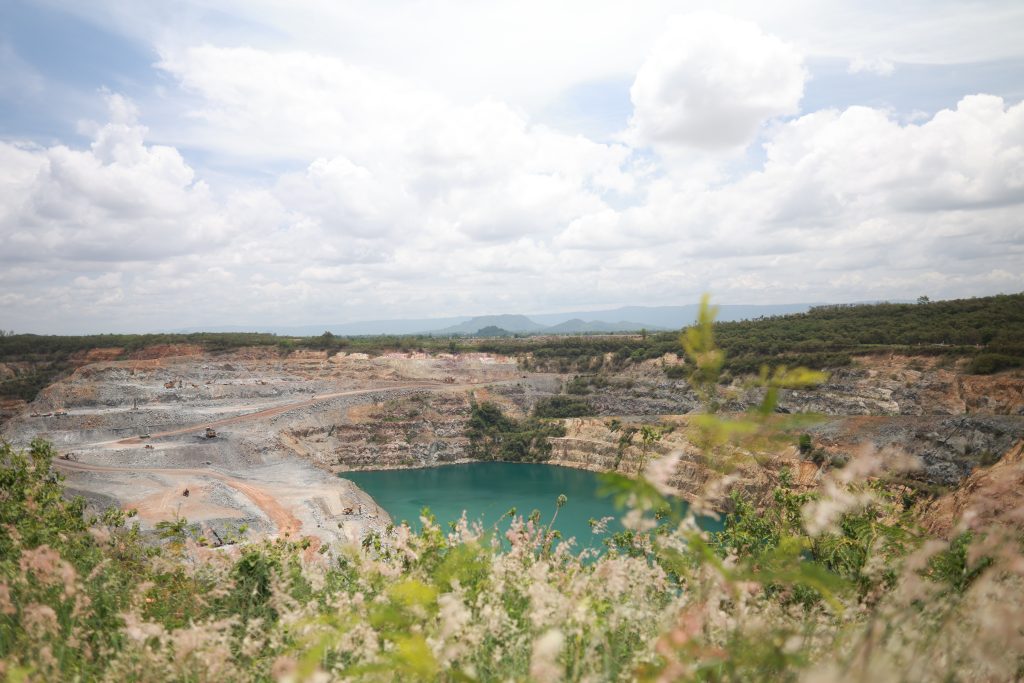
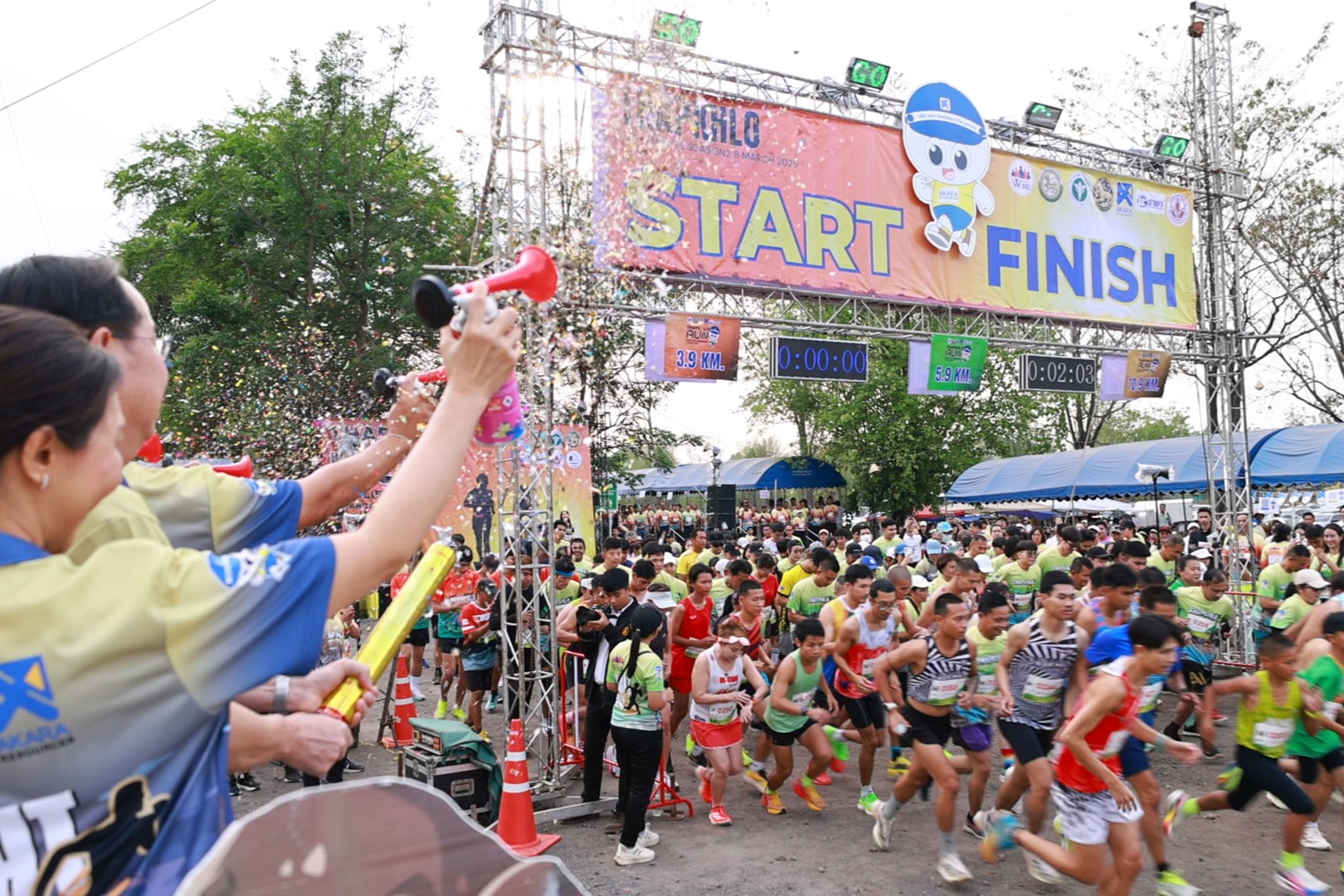
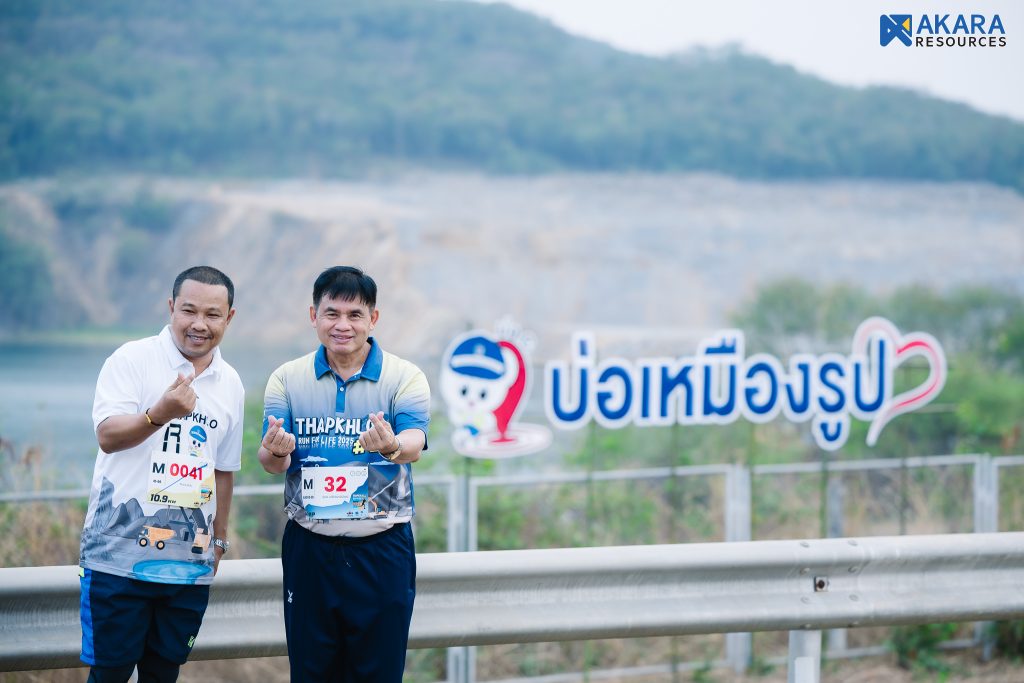
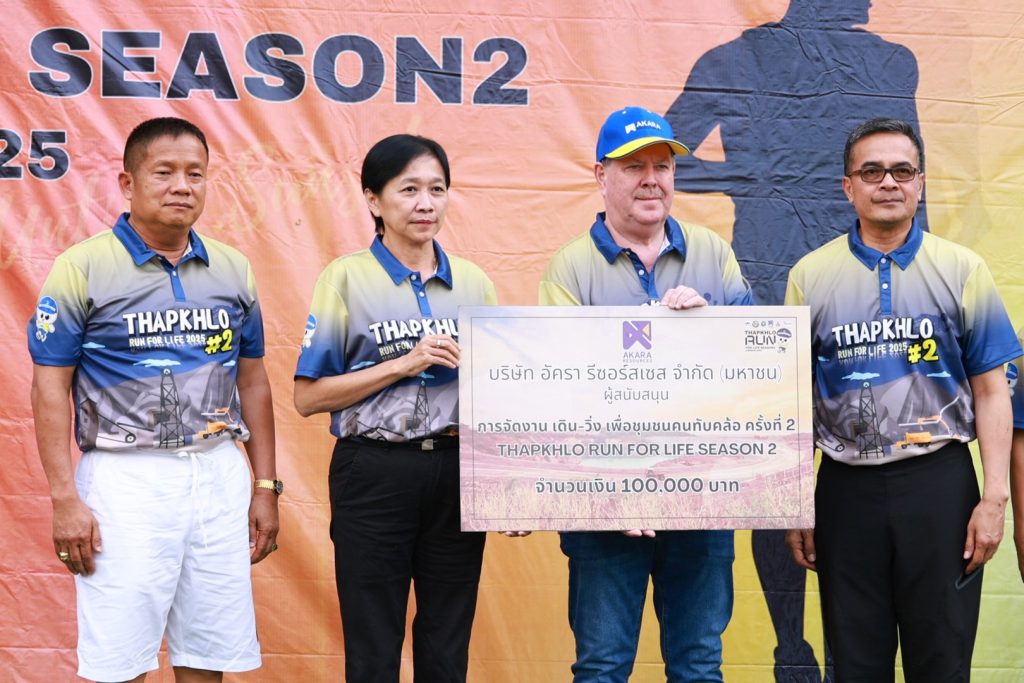
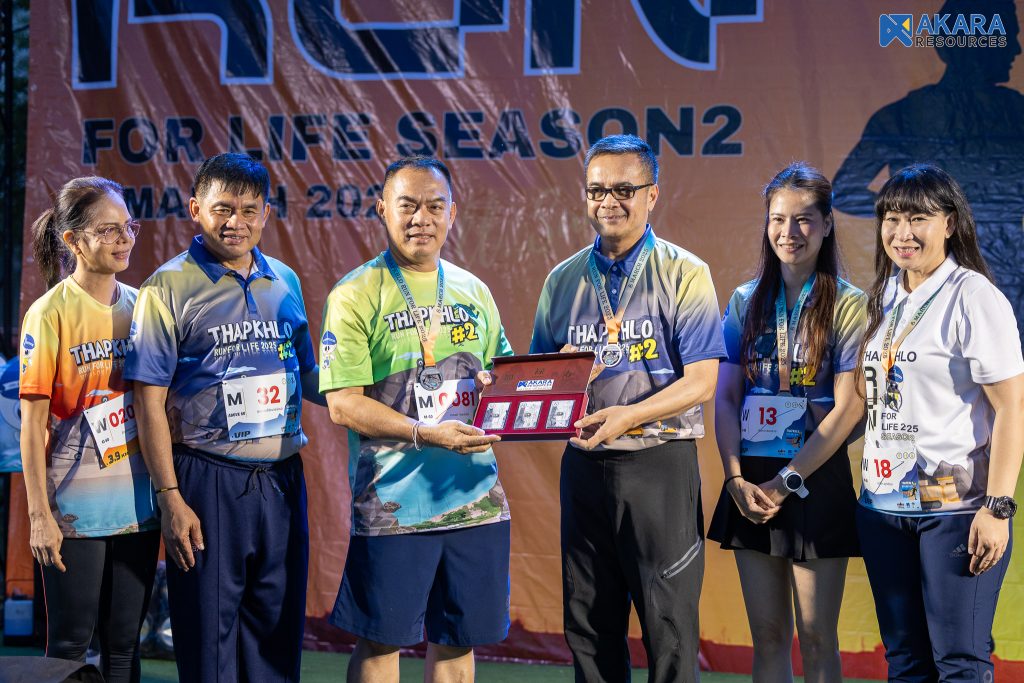
The Thap Khlo District Health Board (DHB) in collaboration with private sector partners, led by Akara (“the Company”), along with Lotushall Mining Heavy Engineering Company Limited, Naracha Civil and Mining Limited Partnership, and Taidong Express Company Limited, successfully hosted “Thap Khlo Run for Season 2.” Held under the theme “Running to Watch the Sunset,” the event featured a unique checkpoint at the “Heart-Shaped Mine Pit,” a key landmark at the Chatree Gold Mine. The initiative aimed to raise funds to assist bedridden patients, low-income individuals, people with disabilities, and victims of fire disasters in the local community.
Ms. Thaneeya Naipinij, Governor of Phichit Province, stated during the opening ceremony that Phichit Province prioritizes the sustainable improvement of its citizens’ quality of life. The goal of today’s event is to raise funds to assist bedridden patients, low-income individuals, people with disabilities, and victims of fire disasters in the Thap Khlo District of Phichit. The province has consistently supported projects and initiatives aimed at enhancing the quality of life for its people, while also highlighting the crucial role of the private sector in driving community development alongside business growth. On this occasion, the Governor also commended the successful collaboration between the public and private sectors, which contributed to the event’s success.
Mr. Sumet Metheerattanapipat, Thap Khlo District Chief, shared that the Thap Khlo District Health Board (DBH), as the main organizer, worked in close partnership with both the government and private sector. In addition to providing financial support, they enhanced the area’s landscape, conducted a cleanup, installed lighting for safety, and stationed staff along the route to ensure participants’ comfort. The event saw an overwhelming turnout with over 1,200 participants. Runners had the option to choose from three distances: 3.9 km, 5.9 km, and 10.9 km. A highlight of the event was the run through the Heart-Shaped Mine Pit, a unique landmark that the district aims to promote as a key tourist attraction, boosting the local economy and generating income for the community.
As for Akara, the only gold mining operator in Thailand, seized this opportunity to welcome thousands of people to experience the beautiful scenery of the mine, underscoring the Company’s commitment to transparency in its operations. Ms. Yuwathida Phuk-on, Community Relations and Development Manager, emphasized that the event demonstrated the strong bond between the Company and the community, reinforcing their philosophy of harmonious and cooperative living. Akara will continue to collaborate with government agencies, partners, and the community to enhance local quality of life, with the mine playing a vital role in driving sustainable economic growth. This vision is shared by their partners, including Lotushall, Naracha, and Taidong Express, all of which prioritize local employment and ongoing community development initiatives.
“Today, in addition to over 100 prizes provided by Akara, we have prepared a special reward: real gold from the Thai mine, which is another source of pride for us, as we produce quality gold by the skill of Thai people for Thai people,” Yuwathida concluded.
This website uses cookies so that we can provide you with the best user experience possible. Cookie information is stored in your browser and performs functions such as recognising you when you return to our website and helping our team to understand which sections of the website you find most interesting and useful.
Strictly Necessary Cookies
Strictly Necessary Cookie should be enabled at all times so that we can save your preferences for cookie settings.
If you disable this cookie, we will not be able to save your preferences. This means that every time you visit this website you will need to enable or disable cookies again.